Body Temple, Sacred Space, and the Holy Spirit: An Invitation to Stewardship
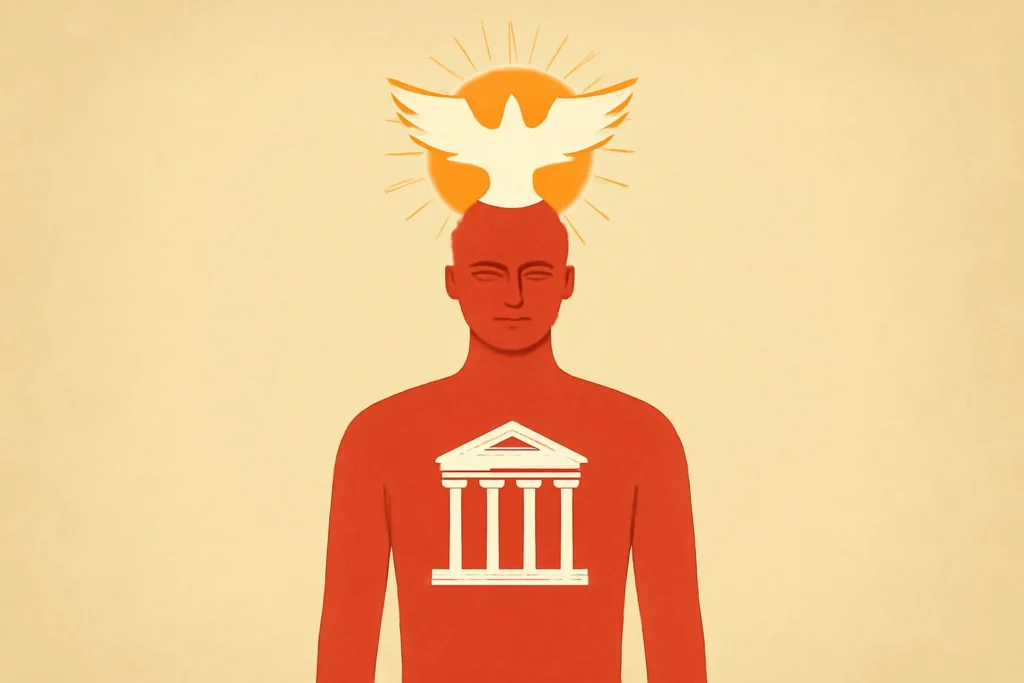
In many spiritual traditions, the idea that the body is a temple of the divine is a powerful invitation to care for ourselves with intention. When we say the body temple is the dwelling place of the Holy Spirit, we are describing a holistic relationship between physical health, emotional well‑being, and spiritual life. This article explores how to honor your body as a sacred temple, a process often termed body-as-temple stewardship, where every habit—what you eat, how you move, how you rest, and how you relate to others—serves a larger purpose: to reverence the divine, to sustain life, and to enable compassionate service in the world.
The aim here is not to reduce spirituality to a checklist of rules but to offer a practical, integrative framework. We will look at biblical foundations, historical perspectives, and a set of daily practices that honor both body and Spirit. Across cultures and faith communities, the metaphor of the temple invites us to treat our bodies as sacred vessels—not as mere shells or as objects of vanity, but as meaningful spaces where courage, creativity, and love can flourish.
Understanding the Concept: What It Means to Honor the Body as a Sacred Temple
The language of temples appears throughout religious literature to describe places of encounter with the divine. When we apply this imagery to the human body, we acknowledge that physical form is more than biology; it is a channel for divine energy, a site where mind, heart, and spirit converge. The phrase body temple holy spirit points to a dynamic: the Holy Spirit dwells within individuals who treat the body with reverence and responsibility.
Several core ideas emerge when we reflect on this sacred framing:
Indwelling: The belief that the divine spirit abides within us, shaping moral choices and inner life.
Stewardship: We are entrusted with our bodies and asked to care for them as a responsibility, not a burden.
Integration: Spiritual practice is not separate from physical health; they reinforce each other in daily life.
Accountability: Our actions—habits, relationships, and work—reflect the sacred trust placed in us.
The interplay between body, mind, and spirit is central to this concept. When we nourish the body well, we tend to think more clearly, sleep more soundly, and cultivate a heart of gratitude. Conversely, living with fullness of spirit often inspires disciplined self‑care, resilience in adversity, and a generous posture toward others. This reciprocity—between physical vitality and spiritual vitality—helps temples of the body remain hospitable to the divine presence.
Scriptural and Historical Foundations: Where the Idea Comes From
Key Biblical Passages and Their Meanings
Across traditions that honor a divine indwelling, several passages are frequently cited to articulate the idea of the body as a sacred space:
“Do you not know that your body is a temple of the Holy Spirit within you?” — a concise reminder of divine presence within human life.
“Glorify God in your body.” — urging believers to align physical life with spiritual purpose.
“Present your bodies as living sacrifices.” — indicating that daily actions, routines, and choices can be offered as worship.
“You are not your own; you were bought with a price.” — emphasizing value and responsibility toward the body as a gift rather than a commodity.
Historically, interpreters have understood these passages in layered ways. Some emphasize purity codes; others highlight stewardship, compassion, and the call to care for the whole person. Modern readers often prefer an integrated reading that sees physical health, mental well‑being, and spiritual formation as mutually reinforcing paths to holiness.
The concept of stewardship of the body invites us to view health as a discipline of love—a way to honor the gift of life and to enable fuller participation in acts of mercy, service, and justice. When we frame healthy living as sacred work, everyday choices gain meaning beyond personal comfort. We become more intentional about what we consume, how we move, how we rest, and how we relate to others.
Consider the body temple as a living sanctuary where the divine presence can be noticed and celebrated. This makes room for both ascetic disciplines and joyful abundance: disciplined routines that support health, and celebrations of vitality that enable generosity and creativity.
Practical Practices to Honor the Temple: A Comprehensive Guide
Honoring the body as a sacred temple involves layered, practical steps. Below are categories with concrete actions you can adapt to your life, traditions, and circumstances.
Physical Health Practices: Nourishing the Body
Balanced nutrition: Emphasize whole foods, plenty of vegetables, lean proteins, healthy fats, and adequate hydration. View food as fuel for purpose, not merely as comfort or reward.
Regular physical activity: Aim for a blend of cardio, strength, and mobility work. Movement strengthens the body temple and sharpens the mind for compassionate action.
Gentle boundaries with substances: Use substances—alcohol, caffeine, nicotine, and others—consciously, understanding their impact on energy, sleep, mood, and clarity.
Stretching and endurance: Incorporate daily reminders to release tension, protect joints, and cultivate resilience in the face of stress.
Nutrition and Diet: Eating with Purpose
Mindful eating: Slow down, savor, and reflect on how food affects your energy and mood.
Meal planning: Prepare meals that balance macronutrients and micronutrients, supporting both long‑term health and daily stamina for service and ministry.
Special diets with care: If dietary restrictions exist for health or ethical reasons, approach them with gratitude and flexibility, listening to your body’s signals.
Food ethics: Consider sourcing, sustainability, and fairness in your food choices as acts of social responsibility that extend the temple’s reach beyond the individual.
Consistent sleep schedule: Prioritize enough hours of sleep to restore energy and cognition, recognizing rest as essential for spiritual clarity.
Quality sleep environment: Create a sanctuary for rest—dark, quiet, and cool—and limit stimulants before bed.
Rest as resilience: Embrace rest not as laziness but as a powerful act of self‑care that sustains mission and ministry.
Mind, Emotions, and Spiritual Formation: Inner Care
Mindfulness and contemplation: Develop practices that slow the pace of the day, inviting the presence of the divine into ordinary moments.
Gratitude and lament: Cultivate gratitude for health and life, while also allowing space to name pain and seek healing.
Boundaries and discernment: Create healthy boundaries in relationships and commitments to prevent burnout and protect the temple’s sanctity.
Spiritual Practices Within the Body Temple
The sacred dimension of honoring the body also calls for practices that deepen the sense of the Holy Spirit dwelling within. These disciplines align inner life with outward actions, making spirituality tangible in everyday routines.
Prayer, Meditation, and Contemplative Practice
Short daily prayers or contemplative phrases that center the heart on love, mercy, and justice.
Breath prayers: Use mindful breathing to anchor presence and calm reactivity.
Silence and solitude: Build times of quiet to listen for guidance beyond the noise of daily life.
Emotional regulation: Learn techniques to observe emotions without judgment, reducing the harm of unchecked stress on the body.
Compassion practices: Extend care to others and to yourself, strengthening community and resilience.
Healing relationships: Seek restorative conversations and repair when harm has occurred, honoring the dignity of every person involved.
Ethical Boundaries and Community: The Social Dimension of the Temple
A sacred body temple is not a private fortress; it is a hub for justice, mercy, and communal well‑being. The way we care for ourselves has ripple effects on families, workplaces, and neighborhoods. Boundaries, consent, and mutual respect are essential elements of a healthy temple life.
Substance use with responsibility: Be mindful of how choices affect others and the community’s safety and vitality.
Healthy relationships: Surround yourself with people who support holistic growth and who respect the sacred‑in‑you.
Service and generosity: Use your vitality to serve those in need, recognizing that vitality itself is a form of worship when directed outward.
Advocacy for health justice: Work toward systems that support access to nutritious food, safe housing, clean air, and mental health resources for all.
Creating a Personal Plan: Turning Principles into Practice
Turning the idea of a body temple into daily life involves practical planning. Here is a simple framework to help you craft a sustainable, spiritually grounded regimen.
Define your sacred objectives: What does honoring the temple look like for you? Consider health, energy for service, emotional peace, and relational harmony.
Assess your baseline: Note current sleep, activity, nutrition, mood, and stress patterns to identify key areas for growth.
Set realistic habits: Choose small, consistent changes (e.g., 20 minutes of movement daily, 7–8 hours of sleep, a handful of water servings per day).
Create rituals: Build morning and evening routines that center your day in gratitude and awareness of the sacred presence.
Track progress with compassion: Use a simple log or journal to reflect on what supports your temple and what disturbs it.
Invite accountability: Partner with a trusted friend, mentor, or faith community member who can encourage and offer guidance.
Iterate and adapt: Your body temple evolves with age, health status, and life circumstances; adjust your plan with flexibility and humility.
Example weekly plan snippet:
Three balanced meals with protein, fiber, and vegetables
Five days of movement (cardio, strength, mobility) plus two rest days
Daily 10–15 minutes of prayer or mindfulness
Amodest, restorative sleep window of 7–9 hours
One act of service or community involvement
Common Myths and Clarifications
As with any framework that blends spirituality and health, myths can arise. Here are some common misunderstandings and clarifications to keep the conversation grounded.
Myth: Focusing on the body is shallow or vain. Clarification: When framed as sacred stewardship, caring for the body reflects love for life and for the Creator who gave it, not vanity.
Myth: Spiritual life and physical health are separate realms. Clarification: They are intertwined; nourishment of body and nourishment of soul reinforce one another.
Myth: Discipline means deprivation. Clarification: Discipline can include joyful abundance, vitality, and freedom to serve others more fully.
Myth: The temple metaphor only applies to certain faith traditions. Clarification: While phrased in a Christian idiom here, the concept resonates with many faiths that view the body as a sacred vessel requiring care and reverence.
Special Considerations: Inclusivity, Health Variability, and Lifelong Practice
People come to the idea of honoring the body temple from diverse situations: varying ages, health statuses, cultural backgrounds, and stages of faith. A compassionate approach honors these differences while keeping the core aim intact: to foster life, vitality, and connection to the divine.
Chronic illness and disability: Adapt practices to your abilities, celebrate what you can do, and seek professional guidance to maintain quality of life.
Pregnancy and postpartum periods: Prioritize rest, balanced nutrition, and gentle activity aligned with medical advice and spiritual needs.
Aging well: Emphasize mobility, balance, social connection, and purpose—elements that sustain dignity and joy.
Work and caregiving demands: Design flexible routines that prevent burnout and protect essential rest and prayer times.
The temple metaphor invites us to infuse daily life with awareness of the divine presence. This integration happens when ordinary moments become occasions for reverence: choosing food that sustains life, moving in ways that honor the body’s design, resting well, and engaging with others with kindness and integrity.
Daily rituals: Start with a brief moment of gratitude, a posture of care for your body, and a plan for how you will live out your values today.
Mindful technology use: Dial back overstimulation that interrupts rest, sleep, and connection with people you care about.
Nature and creation: Spend time in outdoor settings as a form of reverence for life and the created order, which can nourish the soul and body alike.
Service and community engagement: Put energy toward helping others, transforming personal vitality into acts of mercy and justice.
A Lifelong Practice of Respect, Renewal, and Reverence
Seeing the body as a temple of the Holy Spirit invites a holistic approach to living. It reframes health not as a goal to achieve in isolation but as a sacred practice that enables you to love more fully, serve more generously, and resist despair with renewed vitality. Whether your tradition emphasizes ritual prayer, communal worship, meditation, or acts of service, the common thread remains: care for the temple serves a higher purpose.
If you take away one message from this exploration of the body temple concept, let it be this: every healthy choice is an act of worship. When you nourish yourself, rest well, move with intention, and treat others with dignity, you participate in a sacred dance—one that honors the divine indwelling within you and enables you to be a blessing to others.
May your journey toward greater alignment of body, mind, and Spirit be one of steadiness, hope, and practical wisdom. May you experience the sense that you are not merely surviving but thriving within a holy sanctuary that you are called to steward with love.








Leave a Reply