Christian Prayer Guidelines: A Practical Guide to Prayer
Prayer is foundational to the Christian life. It is not merely a set of rituals or a private hobby but a living conversation with God that shapes the heart, aligns the will, and sustains hopeful living in a complex world. This guide offers practical guidelines for approaching prayer with honesty, discipline, and freedom. Whether you are a longtime believer seeking to deepen your practice or a seeker exploring the edges of Christian faith, these guidelines aim to help you cultivate a vibrant and meaningful prayer life.
Foundational Principles of Prayer
Before diving into how to pray, it helps to name some guiding truths that anchor healthy prayer lives. The following principles are universal across Christian traditions and can be adapted to your own context.
Prayer as relationship: Prayer is primarily about drawing near to God and cultivating a loving relationship, not merely producing a list of requests.
Prayer as conversation: Prayer includes speaking to God and listening for God’s voice, often through Scripture, conscience, and the inner Spirit’s prompting.
Prayer as alignment: The goal of prayer is alignment with God’s will, not the manipulation of outcomes to fit our preferences.
Prayer and action: Prayer fuels and informs faithful action; together, contemplation and conduct form a cohesive life of discipleship.
Prayer in community: While private prayer is essential, corporate prayer and shared intercession strengthen faith and witness.
Two classic frameworks often help believers understand the structure and tone of prayer: the ACTS model (Adoration, Confession, Thanksgiving, Supplication) and the Lord’s Prayer as a model for both content and posture. You will encounter both in different Christian communities, and both can enrich your personal practice when used with sincerity and discernment.
Practical Guidelines for Daily Prayer
Below are actionable steps and habits designed to make prayer more accessible, sustainable, and transformative. Each guideline is paired with practical tips you can adapt to your life, schedule, and personality.
Set a regular time and place. Establish a predictable rhythm—whether first thing in the morning, during a lunch break, or before bed—to create a rhythm your life can accommodate. Consistency is more important than length.
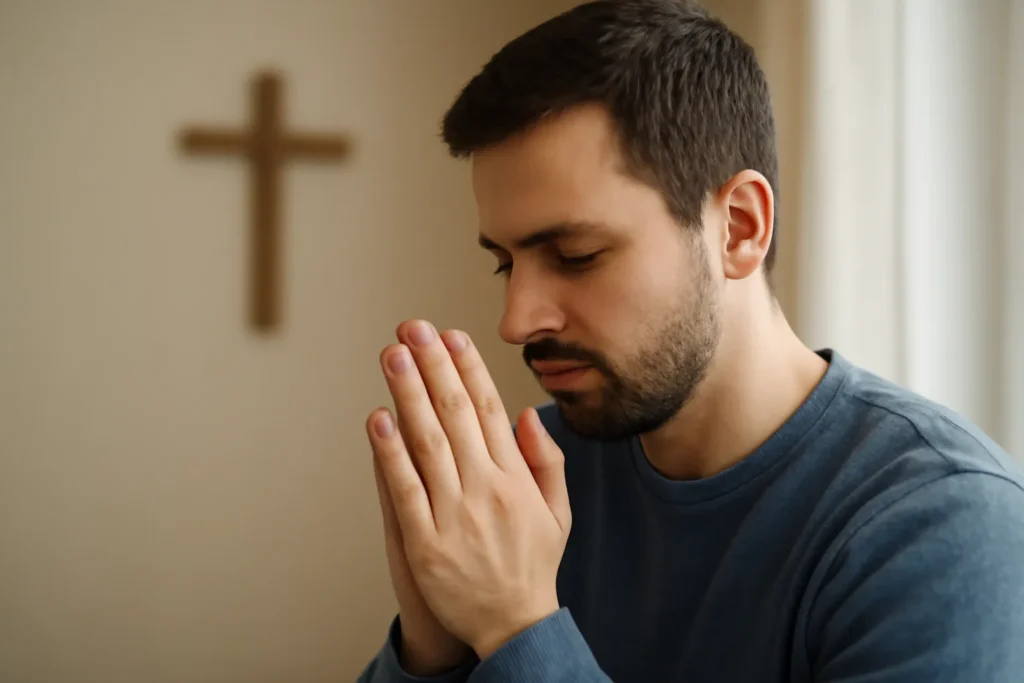
Create a simple space—a quiet corner, a chair by a window, or a dedicated prayer nook. A calm environment reduces distractions and signals to your heart that it’s time to be with God.
Keep a short, flexible structure. You don’t need a long checklist every day; even five to ten minutes can be meaningful if approached with sincerity. Use a loose framework such as praise, confession, gratitude, and requests or intercession.
Use Scripture as fuel. Let God’s Word guide your prayers. Consider writing a verse or passage on a card and praying it back to God in your own words.
Pray with a journal. A simple notebook or digital document can help you track requests, answers, insights, and patterns in your prayer life over time.
Be honest and patient. God welcomes your doubts, fears, and questions. Prayer is not about performing but about growing trust. If your mind wanders, gently return to your focus.
Include gratitude. Regularly naming blessings—even small ones—cultivates a posture of thanksgiving that sustains faith in difficult seasons.
Pray for discernment. Ask for wisdom to understand God’s will and for the courage to obey—even when it’s difficult.
Balance speaking and listening. Prayer is not only talking to God; it is learning to listen for God’s guidance, however it might come—through Scripture, a concert of worship, wise counsel, or a still interior impression.
Be patient with outcomes. Prayer does not guarantee immediate changes in circumstances. Trust that God is at work in the unseen as well as the visible.
Choosing a Time and Setting
Different seasons of life call for different rhythms. Here are some practical approaches you can adapt:
Morning prayers to start the day with clarity and dependence.
Midday check-ins to re-center amid stress or busy work.
Evening reflections to review the day, confess where you missed the mark, and surrender tomorrow to God’s care.
Weekend extended times for deeper contemplation or guided devotional sessions.
Creating a Sacred Space
Space and atmosphere can shape prayer. Consider these elements as you design your environment:
Calmness: reduce noise and distractions where possible.
Symbols: a cross, a candle, a Bible, or a prayer journal can act as tactile reminders of God’s presence.
Comfort: choose seating and temperature that help you settle rather than strain.
Silence: allow moments of quiet to listen for God’s voice beyond words.
Forms and Styles of Prayer
Christian prayer exists in a spectrum of styles. Each form offers unique benefits and can be adapted for personal use or communal life. You may mix and match according to your needs, personality, and situation.
This is prayer in which you speak to God in your own words, without a fixed script. It often mirrors everyday life and allows for authentic expression—praise, requests, confession, and intercession to emerge naturally.
Pros: Personal and flexible; fosters authenticity; easy to sustain daily.
Tips: Begin with a moment of stillness, then speak honestly about what’s on your heart, followed by a brief pause to listen.
Liturgical or Structured Prayer
In liturgical traditions, prayer follows a formal structure with set prayers, readings, and responses. This form can provide discipline, breadth, and unity with a larger faith community.
Pros: Provides a reliable framework; connects you with saints and believers across time and space.
Tips: Use a book of common prayer, Psalter, or devotional booklet; participate in the responses and liturgy with humility.
Contemplative Prayer and Silence
Contemplative prayer emphasizes stillness, attentiveness, and trustful listening. It is less about saying many words and more about being-aware of God’s presence.
Pros: Deep rest for the soul; fosters discernment and inner peace.
Tips: Practice slow, focused breathing; select a short phrase or a single word to repeat in a rhythm that quiets the mind; resist the urge to fill every moment with words.
Intercessory Prayer
Intercession is the practice of praying for others—family, friends, neighbors, leaders, and those in need. It expands the scope of prayer beyond personal concerns to the broader world.
Pros: Builds compassion and solidarity; aligns us with God’s heart for the world.
Tips: Create a rotating list to ensure you cover people and needs over time; pray with specific requests rather than vague hopes.
Corporate Prayer
Corporate or group prayer is a communal practice in churches, small groups, or households. It can be energizing, accountability-building, and spiritually formative.
Pros: Shared faith reinforces hope and congregational unity; diverse voices enrich the prayer.
Tips: Establish healthy boundaries, invite quieter participants to contribute, and avoid domination by any one voice.
Prayer with Scripture
Many find it fruitful to weave the words of Scripture into prayer. This practice keeps God’s Word central and helps anchor prayer in truth.
Approaches: Pray the Psalms; pray passages from the Gospels; use a short verse as a precursor to prayer.
Tips: Read a passage slowly, reflect on its meaning, and speak in your own words how it applies to your life or others’ needs.
The Lord’s Prayer as a Guiding Template
Jesus taught his disciples to pray in a concise model that emphasizes reverence, alignment with God’s will, daily dependence, forgiveness, and spiritual protection. Though often recited liturgically, the Lord’s Prayer also functions as a practical framework for personal prayer.
Adoration and worship: Recognize God’s holy name and character in opening petitions.
Your kingdom come and your will be done: Seek alignment with God’s purposes, not merely your own agenda.
Give us this day our daily bread: Request for daily sustenance—physical, emotional, and spiritual resources for today.
Forgive us our debts as we forgive others: A call to confession and reconciliation, including forgiving others as God forgives us.
Lead us not into temptation and deliver us from evil: Ask for protection, discernment, and resilience against spiritual risk.
When praying with this model, you can adapt the language to your context while preserving its essential rhythms: adoration, surrender to God’s will, daily dependence, confession and forgiveness, and spiritual protection.
Postures, Attitudes, and Practices in Prayer
How you posture your body and mind can influence the experience of prayer, though God is not limited by form. The following considerations can help you cultivate a reverent and fruitful practice.
Posture: Kneeling, standing, sitting, or walking can all be appropriate, depending on your context and culture. Choose a form that expresses humility and focus at the moment.
Breath and pace: Slow breathing can calm the body and mind, helping you enter a more contemplative space.
Silence: Embrace silence as a faithful companion in prayer rather than an absence to be filled.
Confession and repentance: Regularly acknowledge sins and seek mercy, with an emphasis on restoration and transformation.
Gratitude and praise: Begin or end prayers with gratitude, acknowledging God’s goodness in everyday life.
Intercession for others: Include prayers for family, church, leaders, communities, and those facing hardship.
Scripture and Prayer: Praying with the Bible
Scripture and prayer belong together in Christian life. The Bible shapes your prayers and offers a reliable mirror for self-examination and hope. Here are practical ways to integrate Scripture into your prayer routine:
Prayer prompts from the Bible: Use verses that speak to your current need as prompts for prayer.
Lectio Divina (divine reading): Read, meditate, pray, and contemplate a passage in a slow, prayerful sequence.
Psalm-prayer routine: Read a Psalm, then turn its themes into spoken or sung prayer—praise, lament, or thanksgiving as the Spirit leads.
Scripture-led intercession: Petition God with prayers anchored in biblical truths about justice, mercy, and salvation.
Lectio (reading): Read a short passage slowly and attentively.
Meditatio (meditation): Reflect on what the text invites you to notice about God, yourself, or the world.
Oratio (prayer): Respond to God with words that arise from your meditation, including confession, praise, or supplication.
Contemplatio (rest): Rest in God’s presence, listening for any impression or comfort offered by the Spirit.
Practical Etiquette and Boundaries in Prayer
Healthy prayer life maintains dignity for God, for others, and for yourself. Consider these guidelines to avoid pressure, improper manipulation, or unhealthy expectations in group settings or public worship.
Consent and participation: Permit space for diverse voices; avoid pressuring anyone to pray aloud if they’re uncomfortable.
Respect for differences: Honor different prayer styles within a shared community; avoid branding one method as superior.
Authenticity over performance: Emphasize honesty rather than polished words or spiritual show.
Boundaries in intercession: Pray for others with humility and discernment; protect privacy and avoid broadcast of personal struggles without consent.
Avoiding spiritual manipulation: Do not use prayer as a tool to coerce, shame, or dominate others; prayer should cultivate freedom and love.
Prayers for Different Life Situations
Life presents a range of seasons—from celebration to suffering. The following outlines offer language and structure you can adapt to various circumstances.
Seeking Wisdom and Guidance
Ask for discernment to recognize God’s voice amid competing pressures.
Pray for clarity in decision-making, patience in the process, and courage to act in alignment with truth.
Invite trusted mentors or spiritual friends into the discernment process through prayerful conversation and accountability.
Confession, Forgiveness, and Reconciliation
Regularly acknowledge faults and receive God’s forgiveness with repentance that leads to transformation.
Practice forgiving others, recognizing that forgiveness releases you from bitterness and fosters peace.
Ask for grace to reconcile broken relationships where possible, and seek wise pathways to healing.
Healing, Comfort, and Hope
Present pain, fear, or grief to God with honesty, naming specific needs and asking for comfort.
Invite community support—friends, family, or faith communities—into a shared journey of healing and hope.
Remind yourself of God’s promises and faithfulness through Scripture, hymns, or testimonies of healing and deliverance.
Provision, Work, and Daily Needs
Pray for daily bread—material provision, meaningful work, and opportunities to be a blessing to others.
Ask for wisdom in finances, stewardship, and generosity, aligning your resources with God’s purposes.
Express gratitude for what you have received and seek contentment in Christ rather than in possessions.
Protection, Courage, and Spiritual Warfare
Some traditions describe spiritual warfare as a real dimension of life. In prayer, you can seek God’s protection and strength to stand firm against pressure, fear, and temptation.
Ask for discernment to recognize deceptive influences and for the courage to choose obedience.
Claim God’s promises of rescue, safety, and truth over your life and the lives of those you intercede for.
End with a note of gratitude for God’s steadfast love, regardless of immediate outcomes.
Common Mistakes to Avoid in Prayer
Even with the best intentions, a few common missteps can hinder the depth and joy of prayer. Being aware of these can help you grow more freely in communion with God.
Rushing prayer or treating it as a checklist rather than a conversation.
Reducing prayer to pressure for results instead of seeking relationship and transformation.
Overemphasis on technique at the expense of authenticity—and neglecting Scripture and community input.
Comparing prayer experiences with others’ experiences, which can breed guilt or pride.
Imposing one tradition on all contexts without honoring the diversity of Christian expressions of prayer.
Developing a Consistent Prayer Life
Consistency grows through small, sustainable choices and a support system that keeps you accountable in compassionate ways. Here are elements that foster lasting habits:
Set realistic goals: Start with a brief daily window and gradually extend as you grow more comfortable.
Build community: Join or form a small prayer group that prays for needs, shares testimonies, and studies Scripture together.
Use reminders: Alarms, post-it notes, or a prayer app can remind you to pause and pray.
Track answers: Maintain a prayer journal to see God’s faithfulness over time and gain encouragement from answered prayers.
Seek ongoing formation: Read spiritual classics, listen to sermons on prayer, and engage in guided practices to broaden your experience.
Prayer Across Christian Traditions: Variations and Common Ground
Christians around the world practice prayer in diverse ways. While expressions differ, there are shared aims: to know God more deeply, to align with God’s will, and to love others better.
Roman Catholic and Orthodox Traditions
Pattern: The Catholic tradition emphasizes structured prayers such as the Rosary, Liturgy of the Hours, and devotions to Mary and the saints, alongside Scripture-based prayer. The Orthodox tradition highlights Hesychasm, contemplative silence, and liturgical worship that orients the believer toward the mystery of God present in worship.
Communal emphasis: Public liturgies and sacraments anchor personal prayer in the life of the church.
Protestant and Anglican Traditions
Pattern: Protestant prayers often emphasize personal relationship, Scripture-led prayer, and spontaneous or semi-structured forms. The Anglican tradition holds to the Book of Common Prayer, blending historic liturgy with contemporary language.
Scripture and tradition: Prayer is frequently shaped by Scripture, preaching, and communal worship, while also inviting personal petitions.
Pattern: Emphasis on the gifts of the Spirit, bold intercession, and dynamic worship, which may include speaking in tongues, prophecy, and healing prayers.
Experience and mission: Prayer is often framed as empowerment for mission, revival, and outreach, with a focus on direct encounter with God’s empowerment.
Across these traditions, the core aim remains consistent: to know God, to become more like Christ, and to embody love in action. The variety in practice is a strength that invites believers to learn from one another and deepen their own relationship with God.
If you want a practical starting point, here is sample a week-long plan you can adapt. It integrates different forms of prayer, Scripture, and communal elements.
Monday: Adoration and confession using Psalm 95 or Psalm 103; intercede for a friend or loved one.
Tuesday: Lectio Divina on a short Gospel passage; write a brief response in your journal.
Wednesday: Silent contemplative prayer for 5–10 minutes, then pray for wisdom in a pressing decision.
Thursday: Intercessory prayer for community needs; incorporate a brief Scripture reading that relates to justice or mercy.
Friday: Corporate prayer with a small group or family; pray through a list of concerns and praises.
Saturday: Gratitude day—list ten blessings and reflect on how God has provided throughout the week.
Sunday: Liturgical or traditional prayers in your church tradition, followed by personal petition and praise for the week ahead.
You can tailor this plan to fit your schedule, energy, and spiritual needs. The key is consistency, openness, and a willingness to adjust as you grow.)
Concluding Thoughts: A Lifelong Practice
Prayer is a lifelong journey rather than a one-time event. It matures through seasons of harvest and hardship, joy and sorrow, routine and breakthrough. The guidelines above are not rigid rules but tools to help you engage with God more deeply, nurture generosity toward others, and cultivate a daily awareness of God’s presence in ordinary life.
As you grow in prayer, you may notice three marks emerging in your life:
Growing intimacy: A deeper sense of God’s nearness and love, even in the midst of trials.
Sharper discernment: A clearer ability to distinguish God’s voice from the noise of life and a more deliberate choice to follow God’s leading.
Greater compassion: A changed heart toward others, expressed in mercy, justice, and service.
Whether you are praying aloud with others or in the quietness of solitary moments, may your practice be led by a desire for truth, a commitment to love, and a trust that faithfulness in prayer matters more than outward appearances. May you encounter God’s presence, grow in Christlikeness, and join in God’s mission to redeem the world through love and truth.








Leave a Reply