In moments of doubt, confusion, or pain, many people turn toward a simple, comforting truth: God has better plans for you. This article explores what that phrase can mean in everyday life, how to cultivate hope when the road ahead seems uncertain, and practical ways to trust that a divine plan is at work even when circumstances don’t yet make sense. The assurance that God has better plans for you is not a magic wand; it is a call to steady trust, patient waiting, and active faith that aligns our hearts with a purpose greater than our own desires.
Understanding the Promise: God Has Better Plans for You
The core idea behind the promise that God has better plans for you is not a denial of real pain or a denial of human freedom. It is a conviction that a loving, wise, and all-knowing Creator holds a path forward that is more life-giving, more hopeful, and more true to who you were meant to become. When people say that God’s plan for your life is good, they are pointing to a broad arc of meaning: a path that nurtures character, deepens faith, and leads toward wholeness even through seasons of trial.
Variations of the idea can help us process the reality that life may not unfold according to our preferences. You might hear or read statements like:
God has a better plan for your life than you can imagine in a moment of fear.
God’s purposes for you are higher than your plans and fears.
There is a divine blueprint that preserves life, hope, and dignity even in hardship.
The better path God has laid out often uses detours to strengthen your character and faith.
God sees a future brighter than the present pain suggests.
Scriptural Anchors: Why this Promise Encourages Trust
Many people find the most enduring confidence in the scriptures where God speaks about plans, purposes, and providence. For example, the note that Jeremiah 29:11 promises, “For I know the plans I have for you, declares the Lord, plans for welfare and not for evil, to give you a future and a hope,” can become a cornerstone of hope. When we say God has better plans for you, we often anchor that belief in God’s faithfulness shown throughout scripture: a God who sees you, cares for you, and writes stories of renewal even from difficult chapters.
Rooted in Hope: Theological Foundations for Trust
Trusting that God has better plans for you rests on a balance between divine sovereignty and human freedom. It is not about passive resignation; it is about active surrender—choosing to lean into a larger story while remaining responsible and present in the moment. This theological stance invites us to see life as a collaborative journey with the divine, where our choices, prayers, and actions participate in a plan that is ultimately for good.
In this frame, hope is not a denial of pain but a reorientation of perspective. To say that God has better plans for you is to acknowledge that:
God’s wisdom exceeds our own, and the plan often requires timing that we may not immediately understand.
Even delays can be divine benevolence in disguise, preserving life, shaping character, and guiding us toward greater love.
Our growth often happens in the crucible of uncertainty, where faith deepens and trust matures.
Delays and detours are frequently not signs of abandonment but opportunities for refinement. When you believe that the better plan is being written by a wise author, you can endure with more patience and courage. This is not about ignoring pain; it is about letting hope inform your present actions. It is about forming habits that align with trust, such as prayer, gratitude, and generous living—even when outcomes remain unclear.
Practical Pathways to Trust: How to Live into a Better Plan
Believing that God has better plans for you is a daily practice as much as a theological belief. Here are practical paths that help cultivate trust, resilience, and hope in the face of uncertainty:
Daily Practices that Nourish Hope
Start with gratitude: each day, name small blessings and moments of grace.
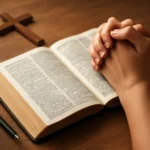
Engage in reflective prayer: share your questions with God, then listen for quiet impressions or scripture that resonate.
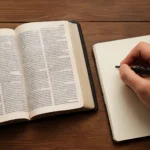
Journal your journey: write about your fears, your hopes, and the ways you sense God’s leading.
Practice patience with yourself and others; trust often grows in the space between what you want and what is.
Seek community: surround yourself with people who encourage hope, model faith, and point you toward constructive action.
Scripture as a Compass
Let scripture shape your expectations rather than fear. Passages like Romans 8:28 remind us that “all things work together for good for those who love God,” a truth that can steady the heart during trial. Another anchor is Proverbs 3:5-6, which invites us to trust in the Lord with all our heart and not lean on our own understanding; in all our ways, we acknowledge Him, and He will direct our paths. When you face ambiguity, returning to these anchors can help you affirm that God has better plans for you, even when the map isn’t fully visible yet.
Overcoming Uncertainty: When Plans Seem Delayed
Delays in life can feel like detours that waste time, but many people discover that such delays are moments when their faith is tested and strengthened. If you are in a season where progress feels slow or unclear, you can still affirm that God has better plans for you by choosing faith over fear and action over passivity.
Common Questions, Practical Answers
How do I know I’m following a better plan? Look for alignment with love, truth, and mercy; outcomes that promote life for you and others; and a growing sense of peace and responsibility in your heart.
What if the path seems painful? Pain can accompany meaningful growth. If the pain leads you toward deeper compassion, wiser choices, and a more generous heart, it might be part of the divine design guiding you toward a greater good.
Can I influence God’s plan? Freedom and grace allow you to cooperate with the divine plan. Your prayers, decisions, and acts of service shape how that plan unfolds in your life and the lives of others.
What if I doubt? Doubt is a normal part of faith. Bring your doubts into prayer, seek honest conversation with trusted mentors, and allow small, tangible steps toward hope to rebuild trust over time.
Across cultures and communities, people testify that they have experienced a sense of God guiding them toward brighter seasons even through hardship. Consider these composite reflections, drawn from diverse experiences, that illustrate how the belief that God has better plans for you can take root in ordinary life:
A caregiver who faced burnout found renewed purpose by leaning into a deeper sense of calling. Through trusted friends and prayer, they realized that God’s plan for their life could include rest and replenishment, not just relentless service.
A young professional who endured a job loss discovered that the door they thought was shut led to a vocation aligned with their passions and values. In retrospect, they sensed that the better path God has laid out unfolded through the detour of unemployment.
A family navigating a difficult diagnosis learned to depend on community and faith, discovering that God sees a future with healing and resilience even when healing is not immediate.
An elderly mentor, near the end of life, reflected on years of faithful service and realized that God’s project for their life was not only the work accomplished but the character shaped along the way.
These stories are not guarantees, but they serve as reminders that the claim God has better plans for you can be a lived truth—one that infuses endurance, courage, and hopeful anticipation into daily life.
Tools to Anchor Your Faith in the Plan
To remain anchored to the conviction that God has better plans for you, cultivate practical tools that support steady trust, hopeful imagination, and generous action. Here are some effective resources for daily life:
Prayer and silence: create space to listen as you speak, fostering a dialogue rather than a monologue with God.
Scripture and reflection: regular reading that highlights God’s faithfulness and promises.
Journaling: document insights, answered prayers, and evolving beliefs about God’s plan.
Community and mentorship: engage with people who encourage spiritual growth, accountability, and practical wisdom.
Service and generosity: acts of giving and helping others widen your perspective and recognize God at work through you.
Creating a Personal Practice
Consider adopting a simple routine that centers your day on trust:
Begin with a brief moment of stillness and a single prayer of openness to God’s leading.
Read a short passage or verse that speaks to God’s faithfulness.
List three things you’re grateful for and one area where you need guidance.
End with a practical step you can take today that reflects the belief that God has better plans for you.
Hope is not a vague feeling; it is a directional stance toward the future shaped by trust in God’s governance of life. When you say, God has better plans for you, you commit to a mindset that prefers growth over despair, patient waiting over impulsive risk, and love over cynicism. This mindset manifests in:
Choosing kind and constructive responses in challenging conversations.
Seeking opportunities to grow in character, even if the outcome is uncertain.
Listening more than speaking, giving others the space to reveal their own journeys.
Actively participating in the lives of others so that your path becomes a mutual journey toward goodness.
Frequently Asked Questions About God’s Plan
To deepen understanding, here are common questions people ask when they are wrestling with the idea that God has better plans for you, followed by concise responses:
Is God’s plan deterministic, or do we have freedom? God’s plan includes space for human freedom. We partner with divine guidance through choices, prayers, and actions that align with love and truth.
What if life seems unfair or painful? Pain does not negate God’s goodness. Often, hardship is a context in which resilience, compassion, and dependence on God deepen, revealing a path toward renewal.
How can I know I’m on the right path? Look for alignment with virtue, peace within conscience, evidence of love at work, and a growing willingness to forgive and serve others.
What role do others play in God’s plan for me? Communities, mentors, and relationships can illuminate directions you might not see alone, offering accountability and encouragement.
Trust in a Good Plan
Ultimately, the invitation to believe that God has better plans for you is an invitation to hope with our eyes wide open. It is a call to live with integrity, courage, and generosity as you await a future that is being prepared beyond what you can currently perceive. It means choosing daily practices that foster trust, embracing the slow work of spiritual formation, and recognizing that the journey itself can be as meaningful as the destination.
As you navigate life’s twists and turns, remember this overarching truth: God’s plan is bigger than your fear, brighter than your doubt, and more intimate than you can imagine. When you anchor your days in this belief, hope becomes a stabilizing force, and trust becomes a daily practice. You do not need to map every detail to know that the better plan is at work, guiding you toward a future that was designed with care, wisdom, and enduring love. May you find strength and peace in the confidence that God has better plans for you—today, tomorrow, and beyond.







Leave a Reply