Bible Verse for Planting Seeds: Grow Your Garden and Faith
Gardens and faith have long walked hand in hand. The Bible speaks often of planting, sowing, and harvest not only as agricultural acts but as powerful metaphors for spiritual growth. When you choose to plant seeds in the soil, you are also choosing to plant intentions, patience, and trust in God’s provision. In this article, you will find a careful exploration of bible verses about planting seeds, presented in a way that connects practical gardening with growing faith. You will discover how different translations and paraphrases illuminate familiar ideas about seedtime, growth, and harvest, and you will find guidance for turning scripture into everyday gardening practices and devotional rhythms.
Seeds as a Metaphor in Scripture
Understanding seed imagery in the Bible
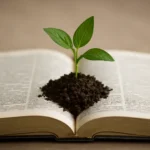
The Bible uses seeds as a vivid picture of life that begins unseen, develops quietly, and emerges in time with fullness and purpose. A seed carries inside it the potential to become fruit, a plant, or a harvest far beyond what the eye first perceives. This is why seeds become a natural and enduring metaphor for faith. In Scripture, planting is not only about horticulture but about hope that grows, work that yields a future, and the way God’s Word takes root in human hearts.
When we sow with intention, we participate in a rhythm that repeats throughout Scripture: seed planted, soil tended, water of the Spirit poured out, and a later harvest that reveals God’s faithfulness. The imagery also encourages patience, because a seed must die to become life and a garden must endure seasons before fruit appears. This pattern offers believers a concrete way to align daily practice with spiritual truths.
Key Verses About Sowing, Planting, and Harvest
In the pages of Scripture, there are several clusters of verses that speak directly to sowing seeds, growth, and harvest, while also inviting us to trust God for results beyond our own effort. Below are thematic groupings with concise reflections you can apply to your garden and your heart.
Jesus often spoke in agricultural terms to illuminate how people receive God’s message. The parable of the sower describes a sower who scatters seed on different soils, with outcomes that depend on receptivity. In each soil, the seed has the potential to grow, but only the soil that receives the seed yields fruit. This helps us reflect on our own hearts and how we prepare the soil of our daily lives to receive God’s Word.
Applications for gardeners and readers:
Prepare the soil—cultivate a receptive environment for God’s Word to flourish in your life as you prepare beds for planting.
Be patient—growth arrives gradually; buds appear before fruit, and weather patterns influence timing just as seasons influence your harvest.
Monitor soil health—just as soil quality affects crop yield, spiritual disciplines (prayer, study, generosity) strengthen the roots of faith.
Key passages often cited in this theme include Matthew 13:3-9, Mark 4:3-9, and Luke 8:4-8. These accounts are echoed in varied expressions across translations, emphasizing that the seed’s success depends on the soil’s receptivity and the season’s timing. The central insight is that God’s Word, when planted in a responsive heart, yields abundant life—“a hundredfold,” as some textual traditions describe the harvest of faith.
Promises of growth and steadfast patience
A second cluster of verses emphasizes that God is the one who causes growth and that sowing yields a harvest in due season. The planting of seeds is an act of trust that God’s creation will respond to His word and timing. These verses invite believers to persevere in prayer, care for soil and seed, and trust that the Lord will provide the increase.
Genesis 8:22—A foundational promise tied to the seasons: “As long as the earth endures, seedtime and harvest, cold and heat, summer and winter, day and night, shall not cease.” The cadence of farming life becomes a picture of God’s constancy and faithfulness.
Isaiah 55:10-11—God’s Word goes forth with purpose: just as rain and snow water the earth and make seed sprout, so God’s Word accomplishes its intended outcome. Its purposes endure beyond the moment of speaking.
Psalm 126:6—A poetic proverb about sorrow and joy: those who sow in tears will reap with shouts of joy. The image reminds us that seasons of difficulty can be transformed into harvests of blessing.
In addition to these, the New Testament letters offer guidance on the relationship between sowing and God’s provision. For example, the apostle Paul links sowing to generosity, stating that God supplies the seed and enlarges the harvest of righteousness in those who give cheerfully (2 Corinthians 9:10). The general principle appears again in Galatians 6:7-9, which warns against mocking God—whatever a person sows, that will they reap, whether in kindness, justice, or personal character. In practical terms, these verses invite us to sow not just with our hands but with our lives: time, resources, and love toward neighbors, knowing that God honors faithful giving with growth beyond our capacity to measure.
Another memorable cluster comes from Mark 4:26-29, which describes the kingdom of God coming quietly like a farmer who scatters seed on the ground. The seed grows, day by day, without the farmer understanding exactly how. This is a powerful reminder that God’s work in the garden—and in the world—often proceeds under the surface, requiring trust and patience.
Reaping what you sow: character and community
Beyond the abundance of crops, the seed motif also speaks to the fruits of righteousness, peace, and community life. When a person sows kindness, self-control, and generosity, the harvest is not merely tangible fruit but a transformed life and a thriving community of faith. This wider harvest is part of what the Bible envisions when it speaks of the benefits of seed planting in the heart and in society.
Galatians 6:7-9—“What you sow is what you reap.” In practical terms, sowing kindness and spiritual discipline cultivates resilience and lasting impact.
2 Corinthians 9:10—God provides the seed and then supplies bread for eating and increases the harvest of generosity and righteousness when we share what we have.
Genesis 1:11 (seed-bearing plants multiplying after their kind)—A reminder that God designed seed to reproduce and to multiply, sustaining creation over generations.
Practical Guidance for Gardeners and Believers
Bringing scripture into the rhythm of daily gardening can deepen both spiritual life and horticultural practice. The following guidance is designed to help you apply the biblical imagery of seeds to real-world garden tasks, while fostering a heart of faith, hope, and love.
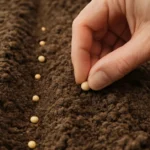
Plan with intention—before you break ground, consider what you hope to cultivate, not only in vegetables or flowers but in conditions for growth: soil health, water management, seed quality, and your own time and devotion.
Choose seeds carefully—select varieties that fit your climate and soil, mirroring how you choose the promises and habits you’ll cultivate in your spiritual life.
Prepare the soil—great harvests begin with healthy soil. Amend soil with compost and mulch, and create a space where roots can dive deep, just as a receptive heart holds God’s Word.
Plant with faith and patience—some seeds sprout quickly, others take longer. Expect progress in small moments and celebrate incremental growth as a sign of God at work.
Water and nourish—consistent care, weeding, and protection from pests mirror spiritual disciplines such as prayer, study, and fellowship that guard the soul and promote growth.
Observe readiness for harvest— harvest time is a joyful measure of sustained effort, mindfulness, and gratitude for God’s provision.
Share the abundance— community and generosity multiply the impact of your harvest, paralleling scriptural encouragements to give and to be a blessing to others.
In practical terms, you can connect specific verses to activities in your garden season by season. For example, in the spring you might focus on sowing with faith, in the summer on watering with prayer, and in the autumn on reaping the results of steady labor and patient trust in God’s timing.
How to Study These Verses in Context
To get the most from these seeds-and-harvest themes, a few study practices can help you discern meaning in context and apply it to life:
Read in multiple translations to see how different word choices illuminate the same idea. If you usually read the NIV, for instance, try the KJV for its classic phrasing about seedtime and harvest, or consult a modern paraphrase for fresh applications.
Note the literary form—parables, poetry, and epistolary advice each shape how you interpret the seed imagery and its purpose in the text.
Identify the audience—many verses are contextualized for listeners in their historical setting. Look for how the audience’s needs (season, harvest, scarcity) sharpen the message and how that translates to modern gardening challenges.
Cross-reference themes—connect the seed metaphor with other biblical motifs, such as faith as a mustard seed (a different seed image that captures faith’s potential) or the living Word (God’s Word as seed that bears fruit).
Create personal devotionals—write a short reflection that ties a verse to a specific gardening task, then commit to a daily habit that enacts that reflection.
Devotional Prompts and Sample Readings
Below are several short devotional prompts you can use as you work in the garden or as you reflect on your life of faith. Each prompt centers a verse or idea about seeds, growth, and harvest, and ends with a practical application.
Seedtime and Harvest (Genesis 8:22) — Reflect on the rhythm of seasons God has woven into creation. Application: In your garden, observe how even a small seed needs time and the right conditions to emerge. In life, trust that God’s timing will bring the right harvest. Action: Plan a small crop for a quick payoff and a long-term crop for the ongoing season.
Word as Seed (Isaiah 55:10-11) — Meditate on how God’s Word does not return empty but accomplishes its purpose. Application: Read a short verse aloud each morning and consider one action you can take today to live out its truth.
Joyful Harvest (Psalm 126:6) — Recognize that sowing with tears can yield joy with the harvest. Application: Name a challenge you face in your garden or life, then commit to a small, hopeful step toward overcoming it.
Growth in Generosity (2 Corinthians 9:10) — God supplies seed and increases the harvest of righteousness. Application: Share a portion of your harvest or resources with someone in need and observe how generosity expands your sense of abundance.
Reaping What You Sow (Galatians 6:7-9) — Consider the long arc of your choices. Application: Identify one habit you want to cultivate that will yield fruit in the coming season, and begin with a small, consistent daily practice.
Illustrative Garden Project Ideas Tied to Scripture
To bridge the gap between theory and practice, consider creating a small garden project that embodies these biblical themes. Here are a few ideas:
Seed Journal — Keep a journal documenting seed types, planting dates, weather, and growth milestones. At season’s end, reflect on what taught you about patience and timing.
Prayer Corner — Dedicate a space in your garden or balcony where you pray for your neighborhood, your community, and the world. Each prayer can be tied to a seed you sow in faith, with a note of thanks for God’s provision when you harvest.
Seed-Appropriate Planting — Choose crops that mirror the Bible’s seasons and your growing conditions. For example, fast-germinating greens for a quick visual reminder of growth, and longer-season plants for a longer reminder of patience and faithfulness.
Harvest Celebration — After a successful harvest, host a small gathering with friends or neighbors to share produce and the story of what you learned about growth, stewardship, and God’s faithfulness.
Because Bible verses can be found across different translations and cultural contexts, it’s helpful to hear the same ideas in slightly different words. Here are some paraphrase-like renderings and interpretive phrases that capture the same seeds-and-harvest themes without becoming repetitive:
Seedtime endures as long as the earth remains; sowing and reaping are eternal rhythms.
The Word of God travels from seed to harvest with a purpose that cannot be thwarted by human timetable.
What you plant in life—the seeds of kindness, patience, and faith—will yield a future crop suited to the gardener you are becoming.
Quiet growth is often the main work of God in the garden of the soul; we may not see every root take hold, but trust the unseen progress.
In sowing, we participate in God’s economy of blessing—your generosity multiplies in ways you cannot fully foresee.
Frequently Asked Questions About Bible Verses on Planting Seeds
To help readers engage more deeply, here are brief answers to common questions related to seeds, Scripture, and garden life:
Q: Can I apply seed parables to non-agricultural life? A: Yes. Seed imagery is a universal metaphor for potential, growth, and return on effort. It can apply to education, relationships, ministry, and personal character development.
Q: How should I balance faith and practical gardening? A: Faith and action belong together. Praying over your seeds, reading Scripture for guidance, and then planning and tending the garden are complementary activities that reinforce each other.
Q: What if I don’t see fruit right away? A: Growth may be slow or invisible at first. Trust in God’s timing, keep sowing the right practices, and continue caring for soil, seed, and soul.
Planting Seeds in Faith and Fields
The practice of planting seeds—whether in a garden bed or in the soil of the heart—offers a tangible way to live out the biblical call to faith that acts. The seed-and-harvest dynamic in Scripture invites believers to participate in God’s ongoing work in creation: to sow with intention, to water with prayer and study, and to await the harvest with gratitude. When you approach gardening as a spiritual discipline, you begin to see every sprout as a sign of God’s faithfulness, every season as a teacher of patience, and every harvest as a witness to a God who provides more than enough for body and soul.
May your garden be a living parable of growth—where soil, seed, rain, and sun become a classroom for faith. May your heart be equally fertile ground, ready to receive God’s Word, to grow in love for others, and to yield a harvest of righteousness that blesses the world around you. And as you tend the rows of vegetables, flowers, and herbs, may you sense the quiet assurance that you are part of a longer story—the story of God’s care for creation, practiced every season by every gardener who believes that even small seeds in small hands can bring about extraordinary outcomes.






Leave a Reply