Reaping what you sow is a recurring theme across the Bible, surfacing in a variety of contexts—personal decisions, moral choices, generosity, and interpersonal relationships. The core idea is simple and profound: the seeds we plant today—whether through thoughts, words, or deeds—tend to produce consequences in time. This article explores the meaning, nuances, and practical implications of this principle, drawing from multiple verses and weaving a broader understanding of how sowing and reaping operate within faith, ethics, and daily life.
Understanding the Concept: What It Means to Sow and Reap
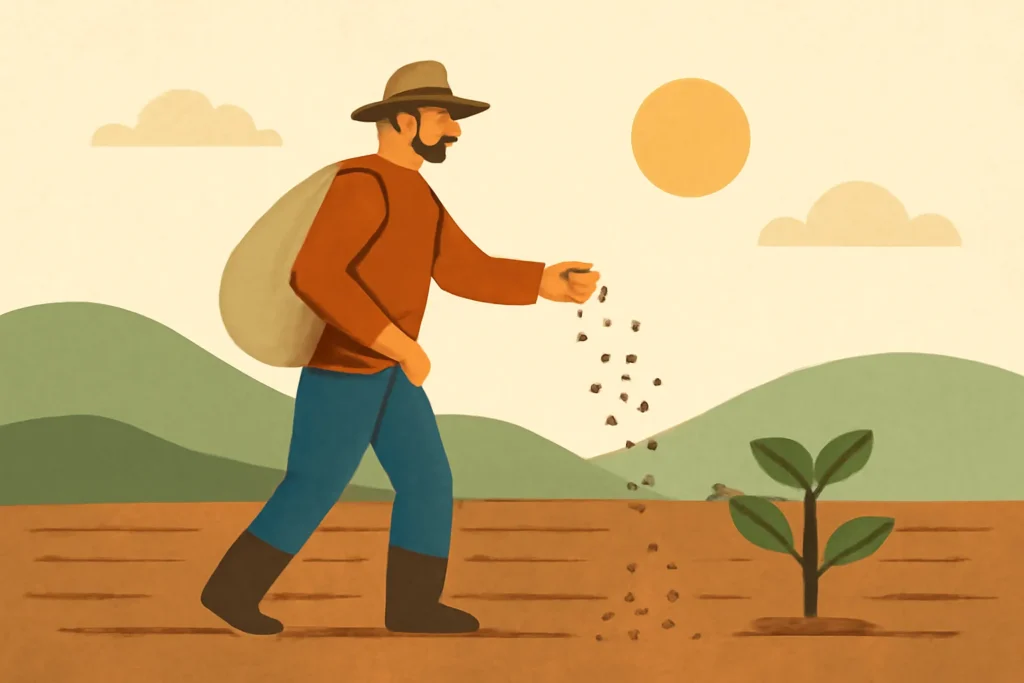
The imagery of sowing and harvesting is one of the Bible’s most enduring metaphors for cause and effect. Planting seeds requires intention, patience, and discipline; harvesting depends on the nature of the seed, the season, and the environment. In spiritual terms, the seeds we plant may be moral choices, acts of love, or decisions rooted in selfishness. The harvest we reap can be immediate or extended over years, but the underlying logic remains: actions have outcomes that reflect their character.
Across biblical literature, the sowing/harvesting motif is used to encourage virtue, to warn against folly, and to invite reflection on the long arc of one’s life. Some passages emphasize personal responsibility—what a person sows, that person reaps. Others point to divine governance and justice, where God honors or corrects human conduct in accordance with righteousness and mercy. Still others connect sowing to communal life—how our choices affect families, neighbors, and broader communities.
Agency and accountability: People are urged to act with intention, knowing that their conduct produces measurable results in time.
Generosity and reciprocity: Acts of kindness and generosity often lead to reinforcement and blessing that mirrors the giver’s generosity.
Self-control and integrity: Sowing to the Spirit, rather than the flesh, yields enduring spiritual fruits and life.
Key Bible Verses About Reaping What You Sow
Galatians 6:7-9 (Sowing to the Spirit vs. sowing to the flesh)
Be not deceived; God is not mocked: for whatsoever a man soweth, that shall he also reap. For he that soweth to his flesh shall of the flesh reap corruption; but he that soweth to the Spirit shall of the Spirit reap life everlasting. And let us not be weary in well doing: for in due season we shall reap, if we faint not.
This passage foregrounds a deliberate contrast: where you invest your life—in pursuits of the flesh or in service of the Spirit—will determine the nature of the harvest. The exhortation to persevere in doing good, even when results seem delayed, highlights the biblical expectation of a timely return that aligns with divine wisdom.
Luke 6:38 and the Principle of Generosity
Give, and it shall be given unto you; good measure, pressed down, and shaken together, and running over, shall men give into your bosom. For with the same measure that ye mete, it shall be measured to you again.
In this teaching, the harvest theme broadens beyond personal ethics to include generosity as a seed. The verse suggests a reciprocal dynamic: acts of giving tend to return in abundant measure. It does not imply a simplistic barter system, but rather a divine arrangement whereby blessings flow in response to open-handed living and trust in God’s provision.
This proverb links moral corruption with an inevitable result: sowing wrongdoing yields fruit that is hollow or empty. It is a warning against calculating or pursuing selfish ends without regard for others or for God’s moral order. The imagery of the “rod of his anger” failing underscores that the consequences may be disruptive or self-destructive.
Hosea 8:7 (Wind and whirlwind)
For they sow the wind, and they shall reap the whirlwind.
This stark line communicates a principle of —seed that yields little or emptiness can lead to a consequence that is disproportionate and disruptive. The imagery of the whirlwind conveys the potential for outcomes that are powerful, uncontrollable, and ultimately corrective.
2 Corinthians 9:6-7 (Sowing generously)
But this I say, He which soweth sparingly shall reap also sparingly; and he which soweth bountifully shall reap also bountifully. Every man according as he purposeth in his heart, so let him give; not grudgingly, or of necessity: for God loveth a cheerful giver.
The focus here is intent and attitude in giving. The harvest is linked to the spirit in which one sows. Generosity, not mere quantity, matters in God’s economy. The promise is that a cheerful, purposeful sowing yields a corresponding abundance, reinforcing the principle that the heart behind the act matters as much as the act itself.
Genesis 8:22 (Seedtime and harvest as a natural order)
While the earth remaineth, seedtime and harvest, and cold and heat, and summer and winter, and day and night shall not cease.
This verse establishes a foundational rhythm of life: cycles of seed and harvest as an enduring order in creation. Although primarily about the natural world, the principle has moral resonance: consistent, patient care yields reliable fruit. In Christian thought, this chart of seasons also invites reflection on timing and diligence—the harvest may come in due season, not always in the moment one expects.
Therefore all things whatsoever ye would that men should do to you, do ye even so to them: for this is the law and the prophets.
While not phrased as a direct “sowing and reaping” statement, the Golden Rule orients behavior toward considerate action. The seed of respectful, just treatment you offer to others becomes a harvest of similar treatment in return. In this broader sense, your relational sowing shapes social returns and the texture of your daily life.
Psalm 126:5-6 (Sowing in tears, reaping with joy)
They that sow in tears shall reap in joy. He that goeth forth and weepeth, bearing precious seed, shall doubtless come again with rejoicing, bringing his sheaves with him.
This psalm paints a poignant image: the emotional cost of seasons of hardship can precede a harvest of joy. The seed sown in sorrow becomes a bridge to gratitude and renewal. It also highlights God’s faithfulness to those who endure, turning pain into a future harvest that sustains and uplifts.
Theological Dimensions: Sowing to the Spirit vs. Sowing to the Flesh
Living by the Spirit yields a different harvest
The idea of sowing to the Spirit centers on life guided by spiritual values—love, joy, peace, patience, kindness, and faithfulness. The harvest, in this sense, is described as life in the Spirit that endures beyond mere momentary success. The contrast to sin’s seed—“sowing to the flesh”—points to outcomes that are temporal or damaging. The overarching biblical claim is not that every hardship signals divine punishment, but that patterns of dependence on God produce a distinct, lasting form of fruit.
Sowing to the flesh involves feeding selfish impulses, fear, or bitterness. The consequences spoken of in Galatians often involve corruption, decay, or broken relationships that mirror the disordered priorities of the seed. This is not merely punishment; it is the natural unfolding of a life oriented away from God’s design for love and communal well-being.
Reaping in Different Areas of Life: Practical Implications
Relationships and communities
The biblical ethic insists that our treatment of others determines the climate of our relationships. When we are patient, forgiving, and just, we tend to experience healthier bonds, trust, and mutual support. Conversely, harshness, manipulation, or indifference often yields a landscape of conflict, resentment, and broken trust.
Kindness begets kindness: Generosity of time, listening, and mercy often returns as goodwill and supportive networks.
Fair dealing: Honest exchange, transparency, and integrity foster trust and open doors for cooperation.
Conflict resolution: Pursuing peacemaking (James 3:18) can be seen as a seed that grows into resilient community bonds.
The moral pattern invites readers to consider the long arc of relationships: today’s actions shape tomorrow’s trust and reciprocity, even when the immediate fruit is not obvious.
Finances, stewardship, and generosity
Financial life in biblical terms is often framed as stewardship. The act of giving, tithing, or helping those in need is presented as a seed whose harvest may include provision, opportunity, or spiritual growth. The reciprocity emphasized in Luke 6:38 and 2 Corinthians 9:6-7 shows that money and resources are moral instruments, capable of cultivating neighbor-love and divine blessing when used in alignment with God’s purposes.
Generosity opens doors for blessing in the form of support, encouragement, and even provision from unexpected sources.
Contentment and discipline protect against sowing seeds of greed or wastefulness, reducing the risk of a harvest that harms others.
Justice and care for the vulnerable can yield a harvest of social harmony and communal well-being.
Character and life discipline
The inner life—habits of prayer, self-control, and perseverance—functions as a field where eternal character is cultivated. The Galatians passage and related verses point to a harvest of virtues and enduring life when one chooses to cultivate the Spirit. Sowing in discipline, honesty, and mercy yields a harvest that becomes a steady foundation for lifelong faith and service.
Practical Applications: How to Apply the Principle Today
Step-by-step guidance for sowing wisely
Identify your seed: Decide what kind of seed you want to plant—kindness, integrity, patience, generosity, or humility.
Set a season for sowing: Commitment matters. Start small if needed, but begin consistently to establish a pattern.
Choose the right soil: Surround yourself with supportive communities, mentors, and practices that foster growth and accountability.
Expect a harvest, but in God’s timing: Be patient and faithful; the harvest may come later and in forms you did not anticipate.
Reap with wisdom: When results arrive, steward them with generosity, gratitude, and humility.
Discipline against harmful cycles
If a pattern of negative outcomes has taken root, a reorientation is in order. This might involve repentance, seeking reconciliation, repairing broken habits, or practicing forgiveness. The biblical principle remains that changing the seed changes the harvest, but it often requires deliberate effort, prayer, and community support.
Care for the marginalized
Sowing compassion, justice, and solidarity can yield a harvest of communal thriving. The biblical record invites readers to see generosity, hospitality, and service as active seeds that contribute to a just and compassionate community.
Common Misconceptions and Boundaries
What reaping does not mean
The principle is frequently misunderstood as guaranteed, immediate retribution for every action. In reality, Scripture presents a nuanced landscape where God’s sovereignty, grace, and mercy intersect with human responsibility. Some outcomes are delayed, some are redirected, and some are shaped by God’s redemptive purposes beyond our immediate understanding.
Not every misfortune is punishment; some trials refine faith, while others result from complex, natural consequences.
Not every good deed yields instant success; the harvest may be postponed or expressed in a different form than expected.
Not all seeds are equal; the quality and intent behind sowing matter as much as the action itself.
Hope within the tension
The Bible asks readers to live with hope and responsibility simultaneously. While we work toward good outcomes, we also trust God’s wisdom and grace for the results. This balance keeps the reaping motif from becoming a legalistic formula and instead anchors it in a living relationship with God.
Reflective Prompts: Engaging the Theme Personally
Questions for contemplation
What seeds am I currently sowing in my daily life—toward people, work, and faith? What kind of harvest do I anticipate?
Am I sowing to the Spirit or to the flesh in areas like anger, envy, or fear? What seeds could replace them?
How can I cultivate a lifestyle of generosity that aligns with Luke 6:38 and 2 Corinthians 9:6-7?
Are there broken relationships or patterns in my life where I need to sow forgiveness, reconciliation, or repentance?
What seasons of sowing are you in—seedtime, growth, harvest, or rest—and what does that imply for your expectations?
Group or family discussion starters
Share a story of a time when a patient, honest seed you planted bore fruit later—what happened and what did you learn?
Discuss ways your household can practice generosity and service as recurrent seed-sowing habits this month.
Consider a scenario where a conflict arose. How could a “seed of peace” transform the harvest over time?
Living with Purposeful Seeds
The biblical teaching on reaping what you sow invites us into a life of intention, restraint, and hope. It is not merely a rule about reward and punishment; it is a framework for understanding the moral ecology of the world. Seeds of kindness, justice, and truth—sown in faith and love—tend to mature into relationships, opportunities, and inner resilience that outlast present circumstances. Seeds of anger, deceit, or greed, left unchecked, can foster cycles that erode trust and diminish life.
By examining key passages such as Galatians 6:7-9, Luke 6:38, Proverbs 22:8, Hosea 8:7, 2 Corinthians 9:6-7, and the surrounding biblical context, readers gain a nuanced map for navigating moral choices. The principle extends beyond personal piety to community flourishing, ethical stewardship, and meaningful, lasting relationships. Whether in small daily acts or significant life decisions, the seeds you plant today shape the harvest of tomorrow.
In engaging with these verses, readers may encounter tension—between accountability and grace, between immediate results and long-term outcomes. The Bible does not reduce life to a simple ledger; rather, it invites a dynamic confidence that God honors honest striving toward good, even when the harvest arrives in unexpected forms or timing. Let your sowing be deliberate, your heart hopeful, and your life a testament to the enduring pattern of mercy, justice, and love that flows from the Creator who governs seedtime and harvest.








Leave a Reply