Questions about divorce and remarriage and their relationship to heaven have exercised thoughtful readers for centuries. The question “Can you go to heaven if you divorce and remarry?” invites a careful look at what the Bible teaches about salvation, sin, forgiveness, and the ethical contours of marriage. This article aims to present a balanced, biblically grounded overview that acknowledges the variety of Christian traditions while highlighting core principles that help believers navigate these painful and complex experiences with honesty, humility, and hope.
Understanding the basic biblical framework
To approach the question, it helps to establish some foundational themes the Bible emphasizes about salvation, marriage, and human failure.
Salvation is presented in the Bible as a gift of grace received through faith in Jesus Christ, not earned by perfect adherence to every law. Passages such as Ephesians 2:8–9, Romans 3:28, and Titus 3:5 stress that grace and faith are the means by which a person is reconciled to God.
Sin, including divorce and remarriage when viewed through the lens of Scripture, is a reality for every human, and repentance is the way back into fellowship with God. 1 John 1:9 speaks of confessing sin and receiving forgiveness, while 1 Corinthians 6:9–11 shows that some sins do not disqualify a person from God’s grace, provided there is repentance and faith in Christ.
Marriage is portrayed in Scripture as a sacred, covenant relationship designed to image the relationship between Christ and the church (Ephesians 5:22–33). The ideal is lifelong faithfulness, mutual love, and sacrificial service.
Adultery and marital unfaithfulness are serious sins in the biblical narrative, and Jesus addresses these issues in mountains like Matthew 5 and Matthew 19. Yet the Bible also holds out the possibility of forgiveness and transformation for those who turn to God with a contrite heart.
Key biblical texts on divorce and remarriage (and what they commonly mean)
Several passages are frequently cited in discussions about this topic. While no single verse resolves every scenario, together they shape how many Christians think about whether divorce and remarriage affect one’s ultimate destiny with God.
Matthew 5:31–32: “It was said, ‘Anyone who divorces his wife must give her a certificate of divorce.’ But I tell you that anyone who divorces his wife, except for sexual immorality, makes her the subject of adultery, and anyone who marries a divorced woman commits adultery.” This passage emphasizes the seriousness of divorce and the potential for ongoing consequences, while also introducing a possible exception for sexual immorality.
Matthew 19:3–9 and Mark 10:2–12: Jesus reiterates the creation design for marriage and teaches that divorce was allowed in Moses’ law because of human hardheartedness, but in God’s original intent, marriage is a lifelong covenant. The exception described is related to unfaithfulness and hardened hearts, with Jesus highlighting the gravity of the divorce/remarriage dynamic.
1 Corinthians 7: The apostle Paul addresses various marital situations, including believers married to unbelievers, singleness, and the conditions under which a believer may remain in or leave a marriage. Notably, verse 15 says that if the unbelieving partner leaves, the believer is not bound in such circumstances, which some readers interpret as an allowable exit from an unequal or dangerous situation.
Romans 3–8 and Romans 6–8 discuss the relationship between the old life of sin and the new life in Christ, reminding readers that no sin, even involving marriage, automatically excludes a person from God’s mercy. The emphasis remains on faith in Christ, transformation, and living out one’s faith in daily life.
1 Corinthians 6:9–11 and Galatians 5:19–21 list sins that call for moral and spiritual discernment, while also noting that believers are defined by their new identity in Christ and by the possibility of forgiveness and redemption.
What different Christian traditions teach about divorce, remarriage, and heaven
Across Christian traditions, there are nuanced positions on divorce and remarriage, shaped by interpretations of Scripture, church history, and pastoral considerations. While every tradition should be understood within its own context, the core question remains: How does God’s grace intersect with human failure in marriage, and what does that mean for a person’s eternal destiny?
Traditional evangelical and many Protestant perspectives
In many evangelical and conservative Protestant circles, the prevailing view has been that divorce and remarriage while a spouse is still alive is often treated as adultery in the eyes of God, at least in the sense of continuing to live in a new marriage with someone who is not your spouse. The typical line is that marital unfaithfulness (adultery) is a biblically legitimate ground for divorce, but remarriage becomes ethically and biblically complex and sometimes prohibited unless the former spouse dies or in certain circumstances where the divorce is due to abandonment by an unbeliever or other serious biblical grounds. In these traditions, salvation remains a matter of faith in Christ; a person who has divorced and remarried is not automatically excluded from heaven, but they are urged to seek repentance, accountability, and ongoing spiritual renewal. The emphasis remains on grace, but with a seriousness about the sanctity of marriage and the potential consequences of repeated breaks in covenant.
Catholic and Orthodox perspectives
In the Catholic tradition, divorce does not dissolve a valid sacramental bond. The Church teaches that a civil divorce does not release a person from the marriage bond, and remarriage in the eyes of the Church while the former spouse is still alive is considered adultery. The path of reconciliation may include an annulment (a declaration that a valid sacramental marriage never existed) in certain cases, which can then allow for a remarriage in the church. The Orthodox Church holds a view similar in recognizing the seriousness of divorce and the sanctity of marriage, while often emphasizing pastoral care, repentance, and the possibility of healing within the community. In these traditions, salvation remains through faith in Christ and participation in the sacraments, but the ecclesial status of remarriage is handled with particular pastoral discernment.
Lutheran, Anglican, and some modern Protestant approaches
Some traditions within Lutheran and Anglican contexts have taken a more nuanced stance on divorce and remarriage. They may recognize that there are serious, biblically grounded reasons for divorce (such as abandonment, abuse, or chronic unfaithfulness) and permit remarriage in certain circumstances, while still teaching that marriage is a holy and God-ordained covenant. In these streams, salvation is a separate matter from the marital status, and the ongoing question is how the individual’s faith is expressed, transformed by grace, and lived out within the church and the world. The underlying aim in these traditions is to shepherd hearts toward healing, reconciliation where possible, and faithful living in light of the gospel.
Can you go to heaven if you divorce and remarry? A careful biblical answer
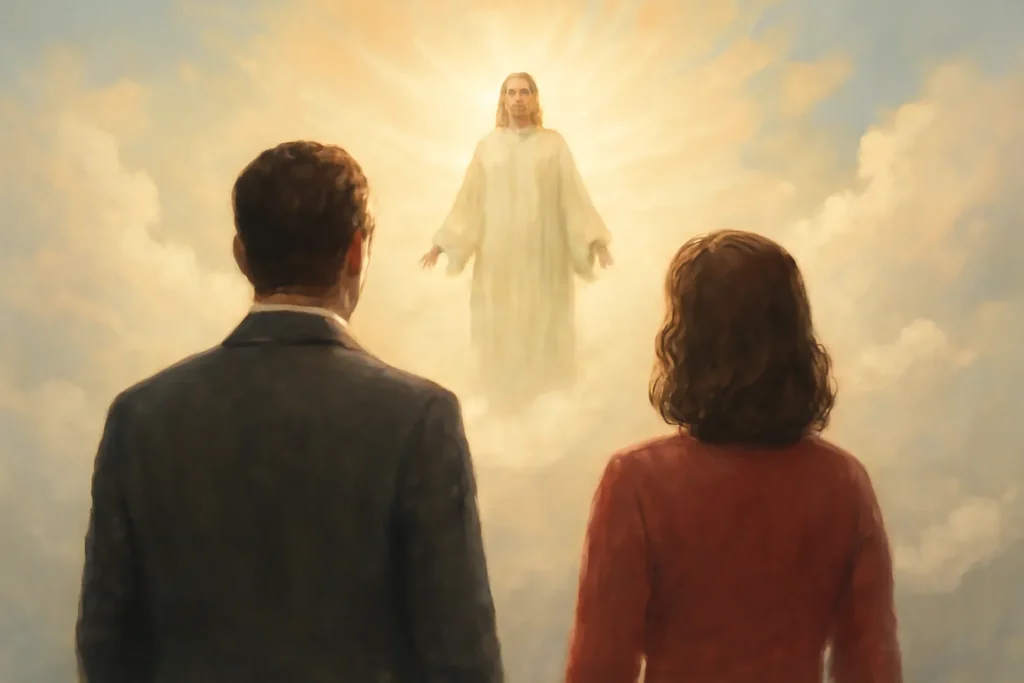
The direct question—Can you go to heaven if you divorce and remarry?—needs to be answered with care. The Bible consistently teaches that heaven is the home of those who trust in Christ, receive forgiveness, and live under the lordship of Jesus Christ. No passage promises that a person’s marital history automatically disqualifies them from eternal life. At the same time, Scripture does not gloss over the seriousness of sin, including unfaithfulness and the brokenness of relationships. The upshot across biblical teaching and historical Christian interpretation is this: salvation is not earned or lost by a single life event like divorce; it is received by faith in Christ, and it is lived out in repentance and ongoing trust in God. However, the way one’s marriage history intersects with a mature spiritual life can influence repentance, healing, and communal reconciliation in the body of Christ.
Two foundational convictions that shape the answer
God’s grace is larger than our mistakes. Scripture is full of stories of people who failed deeply yet found forgiveness and renewal in God. The apostle Paul himself describes a life transformed by grace after past sins, including acts that could be called grave by those contemporary readers. The essential message is that God’s forgiveness is available to all who come to Him with a repentant heart.
Relationship with Jesus matters more than marital status. The Bible does not teach that being married or remarried de facto determines one’s destination; rather, it emphasizes trust in Christ, obedience to Him, and a transformed life inspired by the Spirit. If a person is spiritually alive in Christ, forgiveness is possible, and the Holy Spirit continues to work in them toward maturity and holiness.
Continuing in unrepentant sin without confession or change is a red flag. Some biblical passages caution against remaining in habitual sin, which can indicate a broken relationship with God even if a person pronounces faith.
Repentance and faith are prerequisites for restoration in God’s eyes. If someone recognizes sin (including the harm associated with divorce or remarriage) and turns toward God in repentance, forgiveness and renewal remain available.
Local church context matters. A pastor or spiritual mentor can provide guidance tailored to an individual’s history, conscience, and the specific circumstances that surrounded the divorce and remarriage.
Practical guidance for readers wrestling with this question
If you are among those who have experienced divorce and remarriage, or you are navigating the end of a marriage, here are practical steps that can help you move forward with spiritual clarity and pastoral support.
Study the relevant passages in a trustworthy Bible translation and in a study Bible with notes. Pay attention to the contexts of Jesus’ teaching, Paul’s counsel, and the broader biblical narrative about marriage, sin, forgiveness, and grace.
Seek pastoral counsel. A thoughtful conversation with a pastor, biblical counselor, or trusted spiritual mentor can help you understand how your specific situation fits within biblical principles and church practice.
Honor the seriousness of vows. If you are currently in a remarriage, reflect on the covenants involved and pursue reconciliation with God through confession, faith, and a renewed commitment to living Biblically in your household and community.
Pursue healing and reconciliation when possible. Divorce can be emotionally devastating. Healing often requires time, support from community, therapy, prayer, and accountability partnerships that help you walk in grace and truth.
Remember the aim of the gospel. The overarching message is not primarily about one’s marital history but about becoming more like Christ and living in obedience to Him, empowered by the Holy Spirit.
Common questions and nuanced answers
Q: If I divorce and remarry, am I doomed to hell? A: No. The Bible never teaches that a single divorce or remarriage automatically excludes someone from heaven. Salvation is by faith in Christ, and God’s grace is able to cover sins when a person repents and trusts Jesus. That said, ongoing unrepentant sin, patterns of rebellion against God, or living in a state of spiritual immaturity without seeking growth can complicate one’s walk with God and require serious pastoral attention.
Q: Are there biblical grounds for divorce that allow remarriage without sin? A: In Jesus’ teaching there is an exception for marital unfaithfulness (adultery) and, in some interpretations, for abandonment by an unbelieving spouse. Different traditions handle these grounds differently, but the shared aim is to preserve human dignity and protect vulnerable persons while upholding the seriousness of covenant marriage.
Q: Can someone who was divorced and remarried still lead in church, pray, or receive communion? A: This varies by tradition and local church governance. Some communities have clear rules about remarriage and church leadership, while others emphasize repentance, grace, and discernment by spiritual authorities. In every case, pastoral guidance is essential to navigate the individual’s conscience and the church’s mission.
Q: What if my situation involved abuse or danger? A: In cases of abuse or danger, many pastors and counselors encourage safety first, sometimes permitting separation or divorce on biblical grounds while seeking ways to protect the vulnerable. The goal remains to foster healing, justice, and faithfulness to God, with careful consideration of Scripture and pastoral care.
Q: Does the Bible condemn divorce or remarriage for everyone? A: No. The Bible presents divorce and remarriage as serious matters with consequences, but it also centers on God’s grace and reforming work in the life of a believer. The emphasis is not merely on legal status but on repentance, faith, and living in obedience to Christ after a marital breakdown.
Practical pastoral examples and narratives
The Bible itself includes narratives of people who faced marital failures, repentance, and renewal. While not all situations map one-to-one onto modern circumstances, these stories offer a hopeful pattern: sin is real, forgiveness is real, and God’s redemptive work can transform lives. Consider, for example, cases where individuals turn from wrongdoing, seek reconciliation, and find new purpose in Christ. While each situation is unique, the overarching arc is that God invites people into a new life through Jesus, regardless of past mistakes.
What should believers hold onto when facing this issue?
Several enduring truths can guide a believer’s conscience and conscience-driven decisions when considering divorce and remarriage in light of heaven and salvation:
God’s grace is sufficient for those who come to Him in repentance, no matter the marital history.
Faith in Christ is the foundation of salvation, not the perfection of one’s marriage history.
Truth and mercy should characterize church community life, offering both accountability and compassion to those who struggle with marriage and remarriage.
Holiness and healing are lifelong aims; the church is called to shepherd believers toward maturity in Christ.
Pastoral discernment matters—local churches should listen, study Scripture, and seek God’s guidance through prayer and counsel.
a nuanced, hopeful vantage on heaven, divorce, and remarriage
The question “Can you go to heaven if you divorce and remarry?” does not yield a simple yes-or-no answer because Scripture presents both the seriousness of marriage as a holy covenant and the expansive reach of God’s grace. The biblical witness insists on sincerity before God, fidelity to Christ, and repentance where needed. It also testifies to a God who forgives, restores, and makes all things new for those who turn to Him in faith. Individuals who have experienced divorce and/or remarriage are invited to seek God’s mercy, engage with the Bible honestly, and pursue a life oriented toward Jesus, with a supportive church family that helps them walk in truth and grace.
In short, while divorce and remarriage can create complicated moral and spiritual dynamics, they do not automatically determine one’s ultimate fate. Heaven is accessed through faith in Christ and participation in God’s redemptive work, which includes ongoing growth in love, holiness, and truth. If you are navigating this path, consider inviting wise counsel, personal prayer, and Scripture study as you seek to align your life with God’s will. The gospel remains good news for the broken and the hopeful alike: forgiveness is real, grace is abundant, and new life is possible in Christ.









Leave a Reply