Bible Marriage Laws: A Definitive Guide to Biblical Rules and Teachings on Marriage
Across the biblical narrative, marriage is presented not merely as a social contract but as a divine covenant that binds two people, families, and communities into a broader moral and spiritual order. The canon contains a spectrum of materials, from the Mosaic Law that governs ancient Israelite life to the teachings of the New Testament that interpret, refine, and sometimes challenge earlier norms. This article surveys the major threads of biblical marriage law, exploring how it was framed in ancient context, how different biblical books address eligibility and practice, and how later interpretation has shaped contemporary understanding. It also considers the ways in which these laws were intended to foster social stability, fidelity, care for vulnerable members, and faithful living in a covenant relationship with God.
Foundations: What Biblical Marriage Seeks to Accomplish
The biblical vision of marriage centers on several core ideas that recur across both testaments. First, bonding and companionship—the creation narrative in Genesis 2:24 grounds marriage in the phrase “they shall become one flesh,” emphasizing intimate unity, mutual support, and the procreative dimension of family life. Second, marriage is framed as a covenant with God, a lifelong commitment that is meant to reflect God’s fidelity and love. Third, biblical marriage is a context for human flourishing—it provides stability for children, resources for mutual care, and a setting in which moral formation, generosity, and hospitality can unfold.
Covenant: A binding, solemn pledge before God and community.
One flesh: A metaphor for intimate unity that has social, emotional, and physical dimensions.
Fidelity: A recurring emphasis on loyalty, trust, and mutual support.
Family responsibility: Marriage often functions as the seedbed for lineage, inheritance, and the nurture of faith across generations.
Protection of the vulnerable: The law safeguards widows, orphans, and those who might be at risk within the family structure.
Old Testament Foundations: Core Rules and Norms
The Old Testament law lays out a broad framework for marriage that addresses eligibility, sexual ethics, property arrangements, and ceremonial aspects. While some of these provisions reflect ancient Near Eastern customs, others were intended to shape communal identity and moral order for Israel as a people set apart.
Eligibility, prohibitions, and forbidden unions
Biblical law sets boundaries around who may enter marriage. Several prohibitions aim to preserve kinship proprieties and prevent abuse or harm.
Prohibited relatives: The book of Leviticus lists close kinship prohibitions (for example, spouses, in-laws, and certain family lines) to guard against exploitation and genetic or social complications.
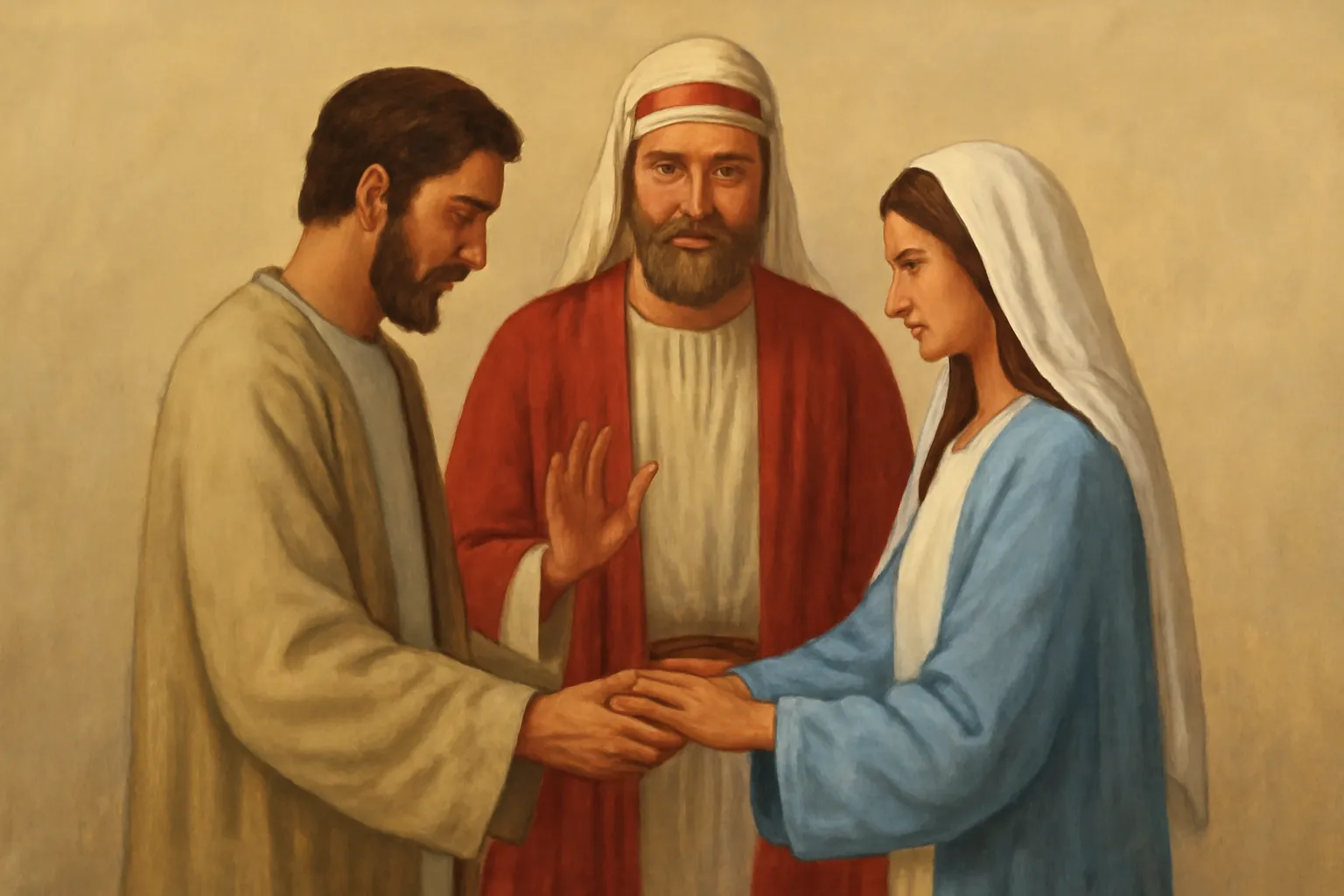
Consent andbetrothal: In ancient practice, betrothal established a binding commitment often requiring parental consent and public acknowledgment, preceding consummation.
Non-Israelite unions: The law sometimes emphasizes boundaries for intermarriage as a way to maintain religious and cultural integrity, though interpretive voices differ on the scope and implications for later readers.
Polygamy, monogamy, and family structures
The biblical record includes both monogamous and polygamous patterns. Early patriarchal narratives show men like Abraham, Jacob, and David taking multiple spouses, while other parts of Scripture emphasize a monogamous ideal (notably established by the Genesis 2:24 model of “one flesh” joined at the outset). The prophetic and wisdom literature often presents monogamy as normative, even as it acknowledges human strivings and the complexity of real-life family dynamics.
Polygamy in narrative: Figures such as Abraham, Jacob, David, and Solomon have multiple wives or concubines in the text, which has led readers to wrestle with how to interpret these episodes in light of later teachings.
Normative trajectory: Several passages and later biblical oracles point toward fidelity, lifelong commitment, and the ideal of a single, exclusive union.
Legacy and discipline: Scripture neither fully endorses nor completely condemns polygamy; instead, it records a range of outcomes and consequences that modern readers weigh in light of broader ethical discourse.
Marriage contracts, dowry, and betrothal practices
The biblical material references a bride price or dowry as part of the marriage exchange, reflecting economic and social arrangements that bind families and communities. While the precise customs varied across time and culture, several verses point to a structured process: a suitor arriving with compensation or gifts, a formal declaration, and then betrothal as a binding step before consummation.
Bride price (mohar): A financial or material pledge that accompanies the arrangement, reflecting the value placed on the bride and the obligations of the groom and his family.
Betrothal as binding: Betrothal creates a legally recognized commitment, sometimes requiring public witnesses and protective measures for the bride.
Dowry and guardianship: The bride’s family often played a central role in terms of arrangement, oversight, and the transfer of responsibility at the point of marriage.
Levirate Marriage and continuity of the family line
A distinctive practice appears in the Bible to ensure the continuity of family lines and security for widows: the levirate marriage. This custom, described most famously in Deuteronomy 25:5-10, requires a brother of a deceased husband to marry the widow if she is still childless. The aim is twofold: to provide an heir for the deceased brother and to care for the widow, preserving tribal ties and property within the family.
Purpose: To sustain lineage, ensure social protection for the widow, and maintain family continuity.
Process and expectations: The brother-in-law would act in a role of protector and legal successor, with distinctive ceremonial steps if the widow’s claim is contested.
Biblical context: While the practice is not universal across all periods, it appears as a specific solution to a social problem faced by ancient communities.
Divorce and Remarriage: How Biblical Law Treats Breakage of the Covenant
Divorce laws in the Old Testament arise from a concern for social welfare, order, and fidelity within the community. The biblical materials do not treat divorce as an ideal path; rather, they regulate it in ways that reflect the practical realities of ancient life while pointing toward a higher ethic of faithfulness.
Old Testament perspectives on divorce
The Mosaic code includes rules about divorce, with the text generally allowing separation under certain conditions, though it does not present divorce as an unqualified endorsement of permissible behavior. The text also emphasizes the moral weight of marriage and the seriousness of the covenant.
Grounds and procedures: Some passages imply dissolution of the marriage through formal process, acknowledging the leverage and vulnerability involved for both spouses.
Protection of the vulnerable: Divorced or abandoned spouses, particularly women, are given specific protections and considerations within the law.
Remarriage cautions: The Mosaic material addresses the implications of remarriage, including matters of lineage and inheritance.
New Testament refinements: Jesus and Paul on divorce and remarriage
The Nazarene Jesus reframes divorce within the moral vision of the kingdom of God, emphasizing the seriousness of the marital covenant and the hardening of hearts that leads to divorce. Paul’s letters also address marriage, offering guidance for Christian communities living in a variety of social environments. Together, these voices shape a nuanced understanding of when separation may be permissible, the responsibilities of each spouse, and the possibilities for remarriage in the wake of separation.
Jesus’ teaching: In passages such as Matthew 5 and Matthew 19, Jesus critiques lax or trivialized grounds for divorce and points readers toward fidelity and reconciliation wherever possible.
Paul’s guidance: In 1 Corinthians 7, Paul discusses how marriage and single life serve different spiritual purposes and how believers should respond to hardship, persecution, and unequal faith commitments within marriage.
Contemporary nuance: Early Christian communities wrestled with cultural expectations, legal norms, and the gospel’s call to love and mercy, often prioritizing the healing of relationships while maintaining a high view of marriage.
Marriage Roles and Family Life: Duties, Rights, and Mutual Care
Biblical writers frequently frame marriage as a relationship of mutual belonging and support, though the language about authority, submission, and leadership has been debated and reinterpreted across time and tradition. The essential thrust, for many readers, centers on love, respect, and service within the unity of marriage.
Mutual responsibilities in the household
The New Testament portrayal of marriage emphasizes reciprocal duties, with a notable emphasis on love as the model for relationship and authority understood as stewardship rather than domination.
Love as primary motive: Husbands are called to love their wives as Christ loves the church; wives are invited to appropriate partnership and respect in the marital bond.
Mutual support: Both spouses bear responsibility for spiritual formation, family welfare, and care for one another in various seasons of life.
Complementary roles: The New Testament literature often discusses roles that complement one another rather than rigidly prescribing subservience, inviting readers to discern culturally appropriate expressions of partnership.
Purity, sanctity, and holy living within marriage
Biblical ethics consistently uphold sexual integrity within marriage and discourage sexual immorality as an affront to the covenant. This includes both behavior inside the marriage and the broader social call to purity and holiness in thoughts, words, and actions.
Sexual ethics: Faithful, exclusive partnership is presented as the standard for the married life; adultery is treated as a serious violation of trust and covenant.
Holiness in daily life: The marital relationship is framed as a context in which character, humility, generosity, and service are cultivated.
New Testament Teachings on Marriage: Core Ethos and Practical Guidance
The New Testament moves the conversation from specific legal codes to ethical principles grounded in the life, death, and resurrection of Jesus. It emphasizes the transformative power of love, patience, and mutual submission in marriage, and it grounds the Christian family in the broader mission of faith communities.
Love, submission, and the gospel-centered family
The biblical authors encourage marriages to be shaped by the gospel’s call to self-giving love, patience, and humility. The language may use distinct cultural imagery, but the underlying aim is clear: a relationship that mirrors God’s steadfast love toward his people.
Galatians 5:22-23 (the fruit of the Spirit) informs how marriages are to be lived out in daily life.
Ephesians 5:21-33 presents a model of mutual care, sacrifice, and love that reflects Christ’s relationship with the church, while inviting practical, loving leadership within the home.
1 Peter 3 highlights harmony, gentleness, and reverence in married life, especially for couples where one partner shares the faith with the other.
Marital status, singleness, and vocation
The New Testament also affirms that marriage is not the only legitimate path for believers. Singleness is celebrated as a faithful option for some, especially when it serves the conscience and the kingdom’s mission. The guidance in 1 Corinthians 7 is often cited to demonstrate that both married and single statuses have legitimate, valuable places in Christian discipleship.
Call to singleness: Some followers are called to devote themselves to the Lord without distraction from familial obligations.
Marriage as vocation: For others, marriage remains a divine vocation with responsibilities toward spouse, children, and the church community.
Pastoral sensitivity: Instruction in the epistles tends to emphasize compassion, context, and the aim of building up the body of Christ in diverse life circumstances.
Contemporary Applications: Reading Biblical Marriage Laws in Today’s World
Readers today approach biblical marriage laws through the lenses of historical context, interpretive tradition, and contemporary ethical concerns. The challenge is to honor the biblical witness while engaging culture with wisdom, compassion, and fidelity to core values such as love, justice, and the protection of the vulnerable.
Interpreting polygamy and monogamy in modern life
Most Christian traditions have gravitated toward a monogamous norm in modern times, often citing the Genesis 2:24 model and the trajectory of biblical interpretation. Yet some communities wrestle with the complexity of biblical narratives that include polygamous contexts, seeking to distinguish descriptive history from prescriptive standard.
Historical context matters: The biblical text records a range of practices in ancient times, but interpretation emphasizes the ethical trajectory toward fidelity and love within marriage.
Church practice: Across traditions, monogamy is commonly held as the normative form for Christian marriage, rooted in the person and work of Christ and the church.
Pastoral care: When navigating cases involving multiple spouses or non-traditional arrangements, communities emphasize care, guidance, and pastoral support for all involved.
Divorce, remarriage, and civil law
In many modern contexts, divorce and remarriage are governed not only by biblical ethics but also by civil law, and the church often distinguishes between pastoral allowances, moral ideals, and practical considerations. The biblical materials lay a foundation for treating marriage as sacred, while acknowledging brokenness and seeking healing, restoration, and responsible remarriage when appropriate.
Grace and accountability: The Christian community commonly seeks to balance truth with mercy, encouraging reconciliation whenever feasible while recognizing that some marriages may end in divorce due to serious circumstances.
Remarriage guidance: In many traditions, remarriage after divorce is possible, with pastoral discernment to consider the faith stance, maturity, and well-being of all parties involved.
Social justice lens: Biblical marriage ethics often interlock with concerns for the vulnerable—widows, orphans, and those facing coercion—urging communities to protect and support those in weaker positions.
Marriage ceremonies and cultural expressions
The biblical text itself does not prescribe a single liturgical form for weddings, yet it provides motifs—covenant, blessing, and public vow—that inform contemporary ceremonies. Communities today blend biblical language with cultural customs to create meaningful, dignified celebrations that honor the biblical vision of lifelong commitment.
Ceremony symbolism: Vows, rings, prayers, and blessings that evoke covenantal language and communal responsibility.
Community role: The wedding is often understood as a public institution with witnesses who pledge support for the couple’s life together and for the flourishing of the new family.
Faithful living: Beyond the ceremony, ongoing discipleship, parenting, and service to the church and neighbors are part of the marriage journey.
Common Questions About Bible Marriage Laws
Does the Bible command monogamy? The Bible presents marriage as a monogamous ideal in the Genesis creation account and in the overarching trajectory of Scripture, though it records polygamy in certain narratives. Many interpreters argue that the ethical direction points toward monogamy as normative in most biblical and modern communities.
What about divorce? Divorce is described with regulation rather than endorsement; Jesus and Paul emphasize fidelity and the seriousness of the covenant, while acknowledging circumstances in which separation may occur and how remarriage should be approached pastorally and ethically.
What is a betrothal? Betrothal is a binding form of engagement that carries legal consequences in ancient times, often preceding consummation. It marks a distinct stage in the process of forming a marriage covenant.
What is a levirate marriage? Levirate marriage is a specific practice aimed at continuing a deceased brother’s line and protecting the widow, with social and familial implications that reflect concerns for inheritance and care.
How do biblical laws protect vulnerable spouses? Provisions for widows, orphans, and divorced individuals illustrate a concern for marginalized members of the community and call for compassion, fairness, and protection within the social order.
Conclusion: Reading Biblical Marriage Laws with Wisdom and Faith
The Bible’s marriage laws present a complex tapestry of instructions, narratives, and teachings that aim to shape social life around a covenantal center. By tracing the arc from covenant with God and one flesh unity in Genesis, through the Mosaic law that shepherds ancient community life, to the gospel-centered ethic of the New Testament, readers encounter a vision of marriage as a sacred, entrusted vocation. The biblical corpus invites believers to cultivate harmony, fidelity, and justice within the home and to translate timeless principles into contemporary practice with discernment, compassion, and pastoral sensitivity.
This guide has surveyed key themes, laws, and interpretive questions to offer a coherent map of biblical marriage teachings across traditions and generations. While the application today may vary across cultures and denominations, the underlying aim remains constant: to honor marriage as a trust given by God, to care for spouses and children, and to witness the generous, steadfast love that lies at the heart of biblical faith.
Bible Story About Patience: Timeless Biblical Lessons on Waiting with Faith Across the pages of Scripture, patience is not merely a passive waiting but an active, living trust in God’s promises. Patience in the Bible emerges as a dynamic virtue that grows through trials, delays, and divine hard choices. This article explores a broad tapestry…
Introduction: The Bible Creation Myth in Context The phrase “Bible creation myth” sits at the intersection of ancient storytelling, religious belief, and modern scholarship. In popular discourse, the word myth can imply a fairy tale, but in academic and religious contexts it commonly signals a foundational narrative that explains how the world came to be,…
Exploring Bible study is both an intellectual and a spiritual discipline. When we speak of bible about study in different shades—scripture study, studying the Scriptures, or the study of the Bible—the goal remains the same: to know God more fully, to understand His ways, and to apply His truth to daily living. This article offers…
Introducción: ¿Quién fue Moisés y por qué importa? Moisés es una de las figuras centrales de la Biblia y, a la vez, una de las más complejas en la tradición judeocristiana. Considerado como el liberador del pueblo de Israel, el mediador de la Alianza y el legislador de la Ley, su vida atraviesa episodios de…
Introduction: what it means to speak of the Bible’s first writings The phrase bible first written invites us to think not only about a single, finished book but about a complex process by which a diverse set of ancient texts was conceived, shared, revised, and ultimately gathered into the collections we know today. In many…
The study of the bible as history asks how ancient sacred texts function as historical sources, not only as objects of faith. This approach treats the biblical books as products of long conversations among communities, editors, prophets, and scribes, and as documents that interacted with broader historical processes in the ancient world. In this article,…