The phrase “Bible creation myth” sits at the intersection of ancient storytelling, religious belief, and modern scholarship. In popular discourse, the word myth can imply a fairy tale, but in academic and religious contexts it commonly signals a foundational narrative that explains how the world came to be, why it operates in predictable patterns, and how humans should relate to the divine, to one another, and to the cosmos. An honest exploration of the creation narratives found in the Bible recognizes both the enduring power of these texts and the wide spectrum of interpretation that has emerged over millennia. This article surveys the origins, interpretations, and debates surrounding the Bible’s largest set of creation stories—from Genesis through related passages—while paying attention to the broader semantic field: Genesis creation account, Genesis 1 and Genesis 2, and the way other biblical voices contribute to the cosmology of sacred literature.
Origins of the Bible Creation Myth: What the Text Isrooted In
To discuss the creation myth in the Bible is to acknowledge both a historical-literary foundation and a living tradition that has been reinterpreted across cultures and ages. Several dimensions shape this narrative:
Ancient Near Eastern context: The Bible’s creation stories emerge in conversation with other Mesopotamian and Egyptian literature. Themes such as order from chaos, the naming of creatures, and the establishment of a regular week reveal common ancient cosmologies. The biblical account can be read as a distinct voice within that wider milieu, choosing particular emphases (for example, a sovereign, orderly God who creates by decree).
Literary strata: Many scholars argue that the Genesis creation narratives reflect more than one literary strand. The ongoing debate about whether Genesis 1 and Genesis 2 owe their shapes to different sources (often framed in the documentary hypothesis) influences how readers interpret the relationship between these chapters.
Theology of creation: Across generations, theologians have used the creation myth to articulate what it means for God to be the Creator—omnipotent, good, and sovereign. This theological dimension often interacts with questions about human responsibility, the goodness of creation, and the place of humanity within a blessed cosmos.
Genesis 1 and Genesis 2: Two Creation Narratives with Distinct Tones
Two foundational chapters of the Bible present two perspectives on the act of creation. Although each is a creation account, their emphasis, order, and voice differ in important ways, contributing to the broader creation myth discourse.
Genesis 1: A Structured, World-Mide Construction
Genesis 1 offers a highly structured, liturgical portrayal of creation over six days, culminating in a day of rest. Key features include:
Orderly sequence: Light, sky, land, vegetation, celestial bodies, animals, humans—each stage builds on the previous one in a clear, architectural progression.
Divine speech: Creation occurs by the spoken word—“And God said, ‘Let there be…’”—emphasizing command, intention, and sovereignty.
Imago Dei: The creation of humanity as male and female introduces the concept of the image of God (imago Dei) as a distinctive human vocation and dignity.
Weekly rhythm: The seventh day’s setting apart introduces the pattern of sabbath rest, a divine invitation for humans to participate in rest and worship.
Genesis 2: A More Intimate, Anthropocentric Focus
Genesis 2 shifts from broad cosmic staging to a more intimate, human-centered narrative. Its emphasis includes:
Earth as raw material: The text begins with the ground being formed and filled in order to receive life, highlighting care and design in a particular landscape.
Human relationship to place: The first human is placed in the Garden of Eden to work and keep it, with the tree of life and tree of the knowledge of good and evil setting moral horizons.
Special creation of humans: Rather than a general pronouncement about all creatures, Genesis 2 tells of God forming a specific human from dust and then fashioning animals as potential companions before creating a suitable helper from the human.
Together, these chapters contribute to a robust biblical creation narrative that blends cosmic scale with intimate moral and relational dimensions. They also invite readers to consider how language, genre, and purpose shape the meaning of the Genesis creation story.
Beyond Genesis: Other Biblical Voices in the Creation Conversation
While Genesis 1–2 anchors the Bible’s creation myth, other biblical books contribute to the larger cosmology and theology of origin, often reframing questions about cosmology, time, and divine activity.
In the prologue to the Gospel of John, the opening lines present a philosophical and christological re-reading of creation: “In the beginning was the Word, and the Word was with God, and the Word was God.” The narrative links the act of creation to the divine Logos, whereby all things come into being through the Word. This perspective reframes creation as not only a chronological event but a relational manifestation of divine presence in time.
Proverbs 8: Wisdom as a Co-Creator
In Proverbs, the figure of Wisdom is described as present with God at Creation, “rejoicing before him always.” This personification offers a mythic and ethical dimension to creation, suggesting wisdom participates in creation’s ordering and governance. For readers, this passage broadens the sense of creation beyond bare fact to include virtue, discernment, and cosmic order.
Job 38–41: Questioning Human Comprehension of the Cosmos
In the so-called speeches of God to Job, the text invites readers to acknowledge the limits of human understanding in the face of a vast and intricate cosmos. The divine questions about the boundaries of the earth, the sea, the weather, and animal life are part of the broader creation discourse, underscoring humility and trust in the Creator’s wisdom.
Interpretive Lenses: How People Read the Bible’s Creation Myth
Over the centuries, communities have approached the Bible’s creation narratives through diverse interpretive lenses. Each lens emphasizes different aspects—historical, literary, theological, or scientific—and each has produced distinctive readings of the creation account.
Literal Six-Day Creation
One traditional approach reads the Genesis creation week as a literal, historical sequence of six contiguous 24-hour days. Proponents often articulate arguments about the reliability of the biblical text, the necessity of a young earth, and the claim that the order of creation mirrors observed patterns in nature. In contemporary debates, this lens is frequently tied to a stance known as young earth creationism, which asserts a relatively recent origin of the universe, typically within a few thousand years.
As an alternative to a literal 24-hour frame, the day-age theory reads each creation “day” as an extended period of time—potentially geologic ages—allowing for an ancient earth while preserving the sequence and literary form of the Genesis account. This approach seeks to harmonize scientific understandings of age and process with the theological claim that God created deliberately and purposefully.
Framework Hypothesis
The framework hypothesis argues that Genesis 1 is a literary framework rather than a chronological ledger. Its purpose, the theory suggests, is to present a structured theology of creation—six “days” organized into two parallel triads—emphasizing function and order over a strict timeline. This reading highlights the Bible’s theological message about divine sovereignty and the goodness of order.
Cosmic Temple Inauguration and Creation as Ritual
Some interpreters view Genesis as a narrative shaped by temple imagery. In this reading, creation is described as a cosmic temple-building event, with the seventh day functioning like a divine enthronement ceremony. Humans are placed in creation not merely to inhabit the world but to steward and worship within a temple-like cosmos.
Theistic Evolution and Evolutionary Creation
The theistic evolution (also called evolutionary creation) approach holds that God works through natural processes over long periods. Proponents assert that scientific accounts of the origins of life, the development of species, and genetic change can be compatible with belief in a purposeful Creator. This view emphasizes that the Bible’s creation narratives address meaning, purpose, and moral order rather than offering a laboratory-style account of natural history.
Other Theological Readings
Additional readings explore topics such as creatio ex nihilo (creation out of nothing), providence, and the nature of evil within a created order. Some readers emphasize ethical dimensions of creation—humans’ responsibility to care for creation, stewardship of resources, and discernment of moral law—as integral to the creation myth of the Bible.
Debates: Science, Faith, and the Bible’s Creation Narrative
Discussions about the Bible’s creation myth inevitably engage a set of enduring debates that foreground conflicting understandings of evidence, authority, and meaning. Below are some of the central tensions that scholars, theologians, scientists, and lay readers navigate when thinking about the Genesis creation account and its siblings in the biblical canon.
Science vs. Scripture: The most famous dispute concerns whether scientific theories about the age of the universe and the origin of life—cosmology, geology, biology, and paleontology—can be reconciled with biblical accounts of creation. The conversation ranges from outright conflict to nuanced harmonization through the theistic evolution framework or through non-literal readings of the text.
Hermeneutics and authority: How should readers interpret Scripture? Is the primary aim historical accuracy, theological truth, moral instruction, or spiritual formation? Different communities privilege different goals, leading to plural readings that remain respectful of one another.
Literary genre and punctuation: Recognizing Genesis 1–2 as ancient literature invites questions about genre, authorial intent, and the Bible’s use of figurative language. Reading it as poetry, mythic narrative, or sermonette affects how we understand its claims about time, space, and causation.
Ethics and the good creation: Debates may revolve around how a biblical creation narrative informs human responsibilities—stewardship of the environment, care for vulnerable beings, and the pursuit of justice within a created order.
Debates Through Time: Historical and Contemporary Perspectives
Across centuries, communities have weighed competing readings and reconciliations between belief and empirical inquiry. Here are some historical currents and contemporary trends worth noting:
Ancient and medieval interpretations: Early Christian thinkers often read Genesis through the lens of philosophical and theological concerns about God’s nature, order, and salvation history. The language of creation served as a framework for affirming God’s sovereignty, the goodness of creation, and the seriousness of moral choice.
Renaissance and modern shifts: As science and critical textual study advanced, scholars began to ask more explicit questions about authorship, redaction, and the historical reliability of the Genesis accounts. These inquiries opened space for a range of theological possibilities, from reconciliation with science to more cautious boundaries around literal interpretation.
Global perspectives: Jewish, Christian, and Muslim readers alike bring distinctive interpretive traditions to creation narratives, including liturgical usages, sermons, and ethical reflections. Interfaith dialogues often explore how each tradition can honor sacred texts while engaging with scientific understandings of the natural world.
The Bible’s Creation Myth and Its Cultural Impact
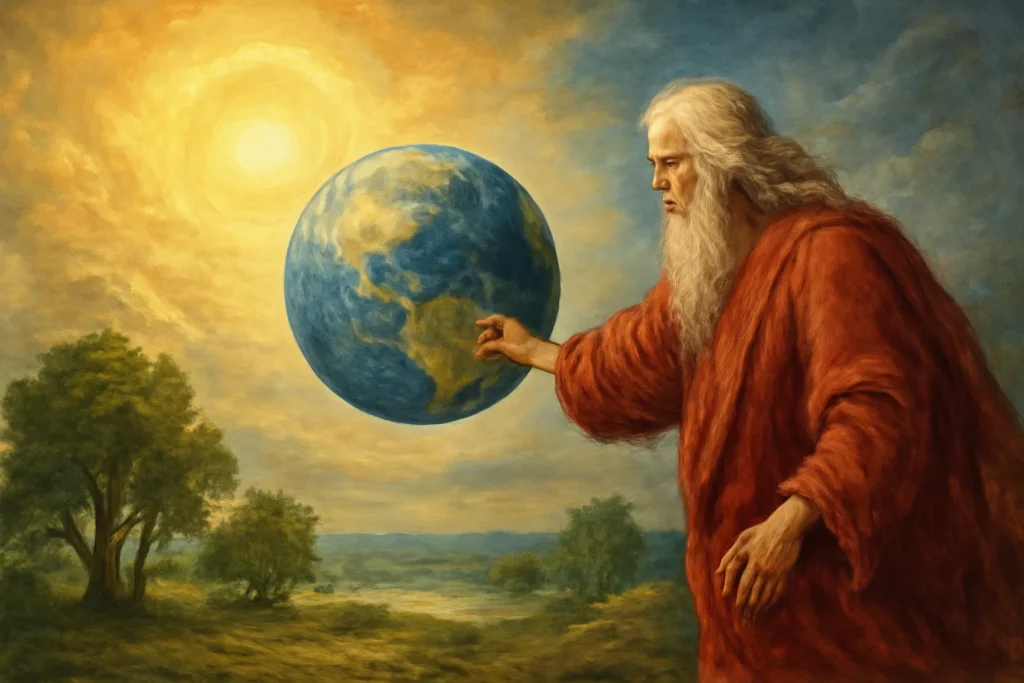
The creation myth in the Bible has left a broad imprint on art, culture, ethics, and public discourse. Its influence shows up in literature, music, visual arts, and public debates about environmental stewardship, human origins, and the meaning of life. Even when readers disagree about method or chronology, the narrative’s core questions—Who are we? Where did we come from? What is our purpose?—remain central to many communities that consider themselves heirs to biblical tradition.
Common Questions and How Different Readings Respond
Readers often arrive at the topic with a set of practical questions. Here are some frequent queries, along with representative responses from the major interpretive approaches:
Is the earth old or young? Depending on the interpretive lens (literal six-day reading vs. day-age or framework readings vs. theistic evolution), proponents may affirm a relatively young earth or an ancient earth, while maintaining that the core theological claims about God as Creator remain intact.
What is the relationship between science and faith? Theistic evolution and evolutionary creation argue for compatibility with science, while other approaches favor a more separate approach—seeing science as a naturalistic account and Scripture as a theological guide.
Does Genesis teach history, myth, or something else? Some readings treat Genesis as historical narrative; others view it as myth in the sense of a foundational story that communicates truth about God and humanity through symbolic and theological language. Many communities hold a hybrid stance, treating the text as both authoritative and metaphorically rich.
What does creation say about human responsibility? Across interpreters, a common thread is stewardship: humans are called to care for creation, to live in harmony with its rhythms, and to exercise moral discernment within a created order.
To engage thoughtfully with the Bible’s creation narratives, it helps to use varied terminology that captures the broader semantic field. Here is a compact glossary of terms you may encounter in scholarly and popular discussions:
Creation account — a narrative portrayal of how the world came into being.
Creation narrative — a story or sequence describing the origins of cosmos, life, and humanity.
Creation myth — a traditional story within a culture that explains origins and often carries moral or theological lessons.
Cosmology — a theory or explanation of the origin and development of the universe, including its structure and processes as described in sacred literature.
Imago Dei — the theological concept that humans bear the image of God, a key element of the Genesis 1 portrayal of humanity.
Ex nihilo — Latin for “out of nothing,” a concept associated with some creation-theology discussions about God’s act of bringing the universe into existence.
For readers seeking to live with the Bible’s creation narratives in the 21st century, several practical avenues can help integrate faith, reason, and daily life:
Dialogue across disciplines: Engage science, philosophy, and theology in conversation rather than in contest. Recognize the different aims of each discipline—explanation, interpretation, and meaning-making when addressing creation and origins.
Ethical living within creation: Many readers derive a practical ethic from the creation narratives—care for the environment, just treatment of others, and responsibility for future generations—as a living application of the text’s themes.
Pastoral and liturgical use: In church or synagogue settings, the creation narratives often frame sermons, psalms, hymns, and prayers. They provide a theological lens through which communities reflect on time, community, and the divine promise.
The Bible’s creation narratives—whether read as Genesis 1 and Genesis 2 in their distinctive voices, or as part of a broader scriptural tapestry that includes John 1, Proverbs 8, and Job 38–41—offer more than a chronological account. They present a coherent portrait of a God who brings order out of chaos, who assigns meaning and purpose to existence, and who invites humanity into a stewardship-filled relationship with a created world that is itself good. The debates surrounding the creation myth reflect the living character of the Bible: a sacred text that continues to speak across cultures and epochs, inviting readers to wrestle with questions about the origins of life, the nature of truth, and the purpose of human existence.
Whether one approaches the creation account as a literal chronological record, a poetic or symbolic narrative, or a hybrid of both, the core questions remain: Who is God in relation to the world? What is the nature of human responsibility? And how does a belief in a purposeful Creator shape our understanding of time, science, and life together on Earth?
In the end, the Bible’s creation myth serves as a living sourcebook for faith communities. As scholars, clergy, and lay readers continue to explore its depths, the text remains a dynamic conversation partner—one that has shaped civilizations and continues to influence personal belief, public life, and the ongoing search for meaning in a complex, ever-changing cosmos.
For further reading and varied perspectives, explore commentaries on Genesis 1–2, studies on theistic evolution, and comparative discussions about creation narratives in related biblical passages. Each path offers unique insights into the remarkable and enduring question: how did we come to be, and what duty accompanies our existence within a created universe?









Leave a Reply