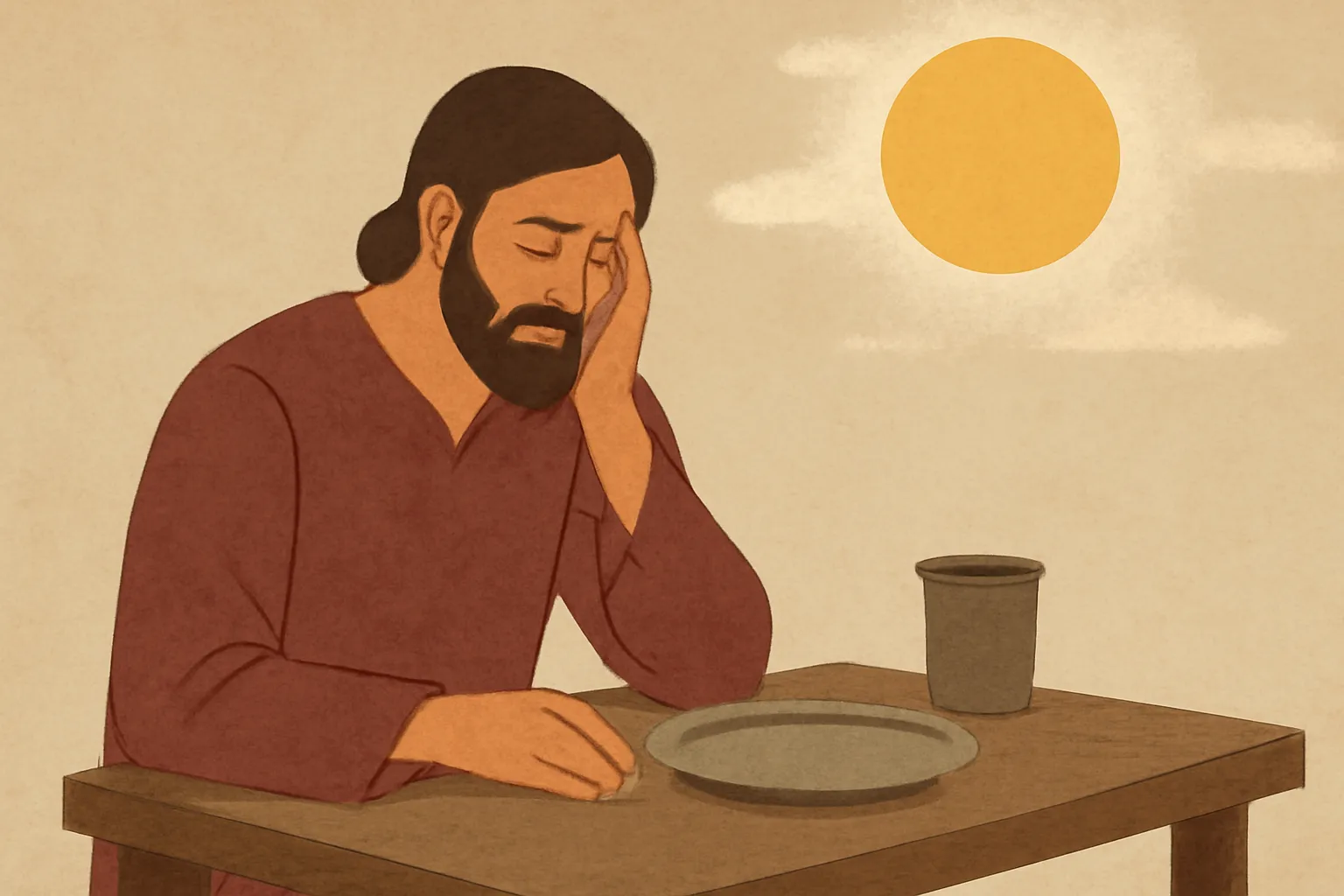
Across cultures and centuries, fasting has been a spiritual practice that shapes attention, discipline, and dependence on God. When people today speak of a 6 to 6 fasting, they are describing a rhythm of abstaining from food during the daylight hours—from the early morning through the evening—often with intentional prayer, Scripture reading, and reflective practice. It is important to note that the exact phrase “6 to 6 fasting” does not appear in the Bible; rather, biblical examples of fasting—the length, the purpose, and the spiritual aim—provide a framework that modern practitioners adapt. This article offers a practical guide to understanding what a 6-to-6 pattern might look like in light of biblical principles, while staying faithful to biblical patterns of fasting as a spiritual discipline.
Understanding the idea: What does “6 to 6 fasting” mean and why consider it?
In many contemporary Christian communities, fasting from 6:00 a.m. to 6:00 p.m. is chosen as a clear, memorable, and doable window that frames the day around intentional spiritual activity. The rationale often includes:
Focus and dependence: With physical hunger as a reminder, the believer leans more on prayer, Scripture, and community for guidance and strength.
Time management: The six-to-six window creates a structured rhythm for daily devotion, worship, or intercession.
Penance and repentance: Some observe the fast in seasons of national or personal repentance, seeking God’s mercy or guidance.
Discipline without denying nourishment: It avoids a complete, abrupt deprivation that can be unsafe or impractical for many people, while still maintaining meaningful abstinence from food during daylight hours.
It is crucial to recognize that biblical fasting is not a one-size-fits-all command. In Scripture, fasting takes many forms—some long, some short, some partial, some absolute, and with varying purposes. The 6-to-6 model is a modern adaptation that attempts to honor those ancient practices while meeting the needs of today’s schedule, health considerations, and pastoral goals.
Historical and biblical foundations: How fasting shows up in Scripture
To understand a modern practice like 6 to 6 fasting, it helps to survey the biblical landscape of fasting. The Bible presents fasting as an intentional discipline tied to worship, repentance, decision-making, and seeking God’s guidance. Here are some foundational patterns and key examples that inform any contemporary approach:
Fasting as a form of afflicting the soul: Many biblical fasts use words like afflicting or humbling the soul, signaling a posture of dependence on God rather than on appetite or comfort.
Different timeframes: Some fasts last a day, several days, or weeks; others emphasize a shorter or partial abstinence. The length often corresponds to a specific spiritual goal or crisis.
Sunset to sunset (24-hour fasts): In the Levitical calendar and in many biblical paradigms, fasting often ran from evening to the next evening, aligning with the ancient rhythm of day and night. This pattern is still a practical model for 24-hour fasts today.
Partial fasts and dietary restrictions: The Daniel fast (Daniel 1) is a well-known example of a partial fast—abstaining from certain foods while still maintaining some form of sustenance.
Public and private dimensions: Some fasts are commanded or encouraged within a community (e.g., national or corporate moments of repentance), while others are exercised in private devotion and prayer.
Signposts of power and prayer: In many biblical accounts, fasting accompanies prayer, worship, confession, decision-making, or crisis, signaling that the pursuit is for divine guidance rather than mere self-denial.
Key biblical touchstones for fasting include:
Jesus’ fast in the wilderness (Matthew 4:1-2), where he fasted for 40 days, modeling a tested and focused dependence on the Father.
The corporate fasting in Acts and the early church as a way to seek direction and strengthen mission (Acts 13:2-3; 14:23).
Daniel’s disciplined intake and extended fasting (Daniel 1; 10:2-3), showing that fasting can accompany a request for divine revelation or blessing.
Characters like Moses and Esther who fasted in moments of leadership responsibility or crisis, underscoring fasting as a response to a need for wisdom or intervention.
The Day of Atonement and other covenant rhythms that included prolonged fasting as a sign of repentance and humility (Leviticus 23:32).
From these patterns, a modern practice such as 6-to-6 fasting can be understood as a deliberate, temporary pattern that still seeks the core biblical aims: drawing near to God, aligning one’s heart with His purposes, and relying on spiritual sustenance more than physical food.
Is a 6-to-6 fast biblically grounded? What the Bible can and cannot say
As a form of application, 6-to-6 fasting is not a direct scriptural command or a universal mandate, but a practical adaptation of biblical fasting principles. Important points to keep in view:
Principle before method: The Bible teaches the principle of fasting—humbling the heart before God, seeking His face, and turning from sin. The how (daylight hours, 6–6, 24 hours, etc.) is a human choice guided by wisdom and context.
Health and safety matter: Biblical fasting is often about spiritual posture, not reckless deprivation. When a fast interferes with health, work, caregiving, or medical needs, it should be adjusted or avoided.
Intent matters: The motive—seeking God, intercession, repentance, or guidance—matters more than the exact duration. A well-intentioned fast anchored in prayer often bears fruit in spiritual growth and discernment.
Community and accountability: In Scripture, fasting is frequently connected to worship and intercession within a community. A 6-to-6 fast can be enriched by shared purpose and mutual encouragement, while preserving space for personal conviction.
In short, the biblical precedent for fasting supports disciplined abstinence as a hedge against self-reliance, but the exact form—whether a 6-to-6 window, an all-day fast, or a Daniel-style partial fast—should be chosen with wisdom, care for health, and alignment with one’s spiritual goals. The key is to pursue God with earnestness, not merely to check a box of ritual observation.
Practical guide to implementing a 6-to-6 fast: steps, safeguards, and rhythms
Below is a step-by-step guide to embracing a 6-to-6 fasting plan in a way that honors biblical trends, serves spiritual aims, and preserves physical well-being. You can adapt these steps to fit your health, responsibilities, and spiritual community.
1. Define the purpose and duration
Clarify the spiritual aim—for example, intercession for loved ones, guidance for a major decision, repentance, or greater devotional focus.
Confirm the timeframe—the 12-hour daylight window (6:00 a.m. – 6:00 p.m.) can be the standard, but you may start with a shorter window (e.g., 7:00 a.m.–7:00 p.m.) if needed.
Write down a brief intent memo and set a measurable length (e.g., 14 days, 21 days, or a calendar month).
2. Prepare physically and spiritually
Consult health considerations and discuss with a medical professional if you have chronic conditions, pregnancy, or medication needs.
Plan your days to include scheduled times of prayer, reading Scripture, and reflection, so hunger becomes a reminder to seek God rather than a distraction.
Stock healthy, simple meals for the pre-fast and post-fast periods, emphasizing hydration and gentle nourishment when breaking the fast.
3. Establish the daily rhythm
Begin with a morning intention: a brief prayer or Scripture reading to set the day’s focus.
During the fast, build in brief, intentional activities: a short devotional, a couple of minutes of silence, and a time of intercession.
Use the hunger as a signal to pause and pray, not to obsess over food or schedule.
4. Hydration and breaks
Decide whether water is allowed in your 6-to-6 fast. Many people choose to drink water, tea, or other non-caloric beverages. If you choose to abstain completely, plan how to handle dizziness or headaches safely.
If water is allowed, keep a bottle nearby and drink as needed to stay hydrated, especially in hot weather or during intense physical activity.
Plan how you will break the fast: a gentle, nutritious first meal that won’t overwhelm the digestive system (e.g., light soup, fruit, yogurt, or a small portion of grains).
Break the fast with a simple, nourishing meal, and remain mindful of continued spiritual practice—consider journaling, gratitude prayers, or a brief worship time.
Reflect on what God taught you during the fast: any insights, convictions, or directional changes you sense for your life or ministry.
Review and journal how you might carry forward healthy spiritual disciplines after the fast ends; avoid simply returning to exact patterns, but let the experience shape ongoing devotion.
6. Common pitfalls and how to navigate them
Over-spiritualizing discomfort: It’s normal to feel hunger or fatigue. Use the experience to deepen trust in God, but do not punish yourself when the body signals needs beyond spiritual goals.
Desperation or coercion: Do not manipulate outcomes by fasting in a way that coerces God. Seek alignment with His will and trust Him with the results.
Inconsistent practice: If you miss days, extend grace and return when ready. Fasting is a long obedience, not a perfect streak.
Practical patterns and variations: aligning the 6-to-6 model with biblical forms
While a 6-to-6 window is a modern configuration, several biblical patterns can be harmonized with it. Here are variations and considerations that help keep the practice biblically informed:
Sunset-to-sunset rhythm: In biblical contexts, many fasts began at evening and ended the next evening. If you want to honor this biblical cadence, you could start your fast at 6 p.m. and break at 6 p.m. the next day, or simply align your 6-to-6 window with a 24-hour cycle for a single day.
Partial fasts within the window: You can abstain from certain foods (e.g., meat or sweets) during the 6-to-6 hours and allow légère meals, mirroring Daniel-like discipline with a modern twist.
Corporate fasts: When several people in your faith community commit to a 6-to-6 fast together, you create collective accountability, shared prayer times, and a sense of unity, echoing the biblical pattern of corporate fasting in Acts and within communal leadership decisions.
Intermittent focus within the day: You can combine the fast with a structured prayer schedule—for example, morning devotion, midday intercession, and evening worship—as a way to anchor the day in spiritual attention, much like the psalms that frame day and night praise.
What to study and reflect on during a 6-to-6 fast
Reading the Bible during a fast is a key practice that trains the heart and tunes the mind to God’s voice. Here are suggested themes and passages that align well with a 6-to-6 fasting practice:
Dependence on God for daily bread: Passages like Matthew 6:11 (the Lord’s Prayer component “Give us this day our daily bread”) remind us that food is a good gift and that daily dependence is a spiritual posture.
Humility and repentance: Scriptures such as Joel 2:12-13 invite repentance and a turning of the heart toward God during times of fasting.
Seeking wisdom for decisions: James 1:5 encourages asking God for wisdom, which often accompanies fasting and prayer during times of discernment.
God’s sustenance beyond food: Jesus’ statement that “man shall not live by bread alone” (Matthew 4:4) invites participants to seek spiritual sustenance, truth, and purpose beyond physical nourishment.
Compassion and justice: Fastings in the prophetic literature and in Acts often catalyze concern for the poor and urgent social needs—consider pairing your fast with acts of mercy or intercession for others (e.g., Luke 4:18-19 emphasis on proclaiming good news to the poor).
As you read, you can highlight or bold keywords that especially resonate with your purpose. The repetition of phrases like humility, prayer, repentance, and dependence helps deepen the spiritual texture of the practice.
Frequently asked questions about 6-to-6 fasting
Is it safe to fast from 6 a.m. to 6 p.m. every day?
For healthy adults, many people find a long daylight fast workable on a routine basis with proper hydration and careful breakings, but daily 12-hour fasts can become challenging for some individuals. If you have medical considerations (diabetes, pregnancy, feeding needs, or chronic illness), consult a healthcare professional before starting a daily fast. The goal is spiritual formation alongside care for the body, not self-punishment or risky deprivation.
What if I work physically demanding jobs or have caregiving responsibilities?
In such cases, you may adjust the window, shorten the fasting hours, or opt for a partial fast that preserves energy and safety. The biblical principle is not to harm yourself while pursuing a greater spiritual good; it is acceptable to tailor the practice to your vocational and family responsibilities while maintaining the intended posture of worship and dependence.
How should I break the fast after a 6-to-6 period?
Begin with gentle nourishment in small portions to avoid digestive discomfort. A light starter such as broth, fruit, or yogurt paired with water is a practical approach. Gradually reintroduce complex foods across the next meals. The breaking of the fast is not only physical but symbolic: it is an opportunity to thank God for provision, reflect on the experience, and return to ordinary life with renewed focus and discipline.
Can a 6-to-6 fast be done within a church calendar or liturgical season?
Yes. In many church communities, fasting aligns with seasons of Lent, times of crisis or national concern, or weeks of prayer. A 6-to-6 schedule can be adopted as a flexible, implementable form within those seasons, provided there is clear purpose, pastoral guidance, and local health considerations.
Putting it all together: a practical template you can adapt
Here is a concise template you can adopt or adapt for a 6-to-6 fasting period of two weeks. Adjust the dates, the health considerations, and the times to fit your context.
Week 1 — Purpose: intercession and clarity for a key decision. Time window: 6:00 a.m.–6:00 p.m. Hydration allowed. Daily devotion: 15–20 minutes of Scripture and 10 minutes of prayer, with a mid-day reflection.
Week 2 — Purpose: repentance and spiritual renewal. Time window: same. Include one extended prayer gathering (either in small group or church setting) and one service of gratitude for answered prayers, within the fast period.
Sample daily rhythm:
6:00 a.m. – Wake and begin with prayer and scripture reading (short, focused devotion).
7:30 a.m. – Hydration and brief journaling on the day’s focus.
12:00 p.m. – Midday prayer and intercession. A short reading or meditation on a chosen passage.
5:30 p.m. – Closing spiritual practice: worship song, gratitude, and a brief reflection on the day’s insights.
6:00 p.m. – Break the fast with a light, nutritious meal and ongoing spiritual reflection.
Conclusion: The 6-to-6 fasting path as a biblical-inspired practice
The idea of 6-to-6 fasting in a biblical sense is less about the exact hours and more about the posture of the heart—humbling oneself before God, seeking His will, and relying on Him for the sustenance of life beyond bread alone. Biblical fasting teaches that physical hunger can be a daily reminder of spiritual hunger for God’s presence, guidance, and mercy. The 6-to-6 model offers a concrete, manageable framework for contemporary believers who want to integrate fasting into their daily lives in a way that respects health, family responsibilities, and work, while remaining anchored in biblical aims: prayer, repentance, discernment, and a deeper fellowship with God and His people.
If you decide to begin a 6-to-6 fasting journey, consider sharing your plan with a trusted community—pastor, mentor, or close friends who can provide accountability and encouragement. Keep your focus on seeking God’s face, studying His Word, and loving others through the experience. With wisdom, discernment, and a patient heart, a 6-to-6 fast can become a meaningful, biblically informed practice that deepens your spiritual life and aligns your daily habits with your deepest convictions.
For further reading, you may explore biblical examples of fasting beyond the 6-to-6 window, study the interpretations of fasting in the Gospels and the Epistles, and consult resources on health-conscious fasting practices. The key is to pursue the discipline with a faithful heart, a teachable spirit, and a dependence on God that strengthens you to live out the Gospel in daily life.
In summary, 6 to 6 fasting in the Bible is best understood as a thoughtful application of biblical fasting principles—rooted in Scripture, shaped by wisdom, and oriented toward God’s purposes. It remains a personal and communal practice that invites ongoing biblically grounded reflection: how does fasting cultivate a heart that loves God, trusts Him more deeply, and serves others with greater compassion?
Meaning and Etymology: What “Beth El” Signifies in the Bible The name Beth El (often rendered in English as Bethel or Beit-el) sits at a crossroads of language, geography, and theology in the biblical narrative. In Hebrew, the word is a compound: beth meaning “house” and El meaning “God” (a form of the divine name…
The tale of a talking donkey in the Bible is one of the most striking and often surprising moments in sacred literature. It sits at the crossroads of narrative drama, theological instruction, and literary device, inviting readers to ask not only what happened, but why it matters. In this article, we explore bible donkey talking—often…
39 Old Testament books—often referred to as the thirty-nine Old Testament books in the Protestant canon—form a diverse collection that spans creation narratives, law, history, poetry, wisdom, and prophecy. This article provides a complete list and a quick guide to help readers navigate the material, understand how the books are grouped, and appreciate the overall…
The topic of Baal in the Bible touches on a rich web of history, language, and theology. This article examines the baal bible meaning from three angles: Origins, Significance, and Interpretations. By tracing how the term functions as both a linguistic item and a religious symbol, readers gain a clearer sense of why Baal matters…
Bible Story with Talking Donkey: Balaam and the Donkey’s Message The tale of Balaam and his donkey is one of the most striking episodes in the Old Testament that features a talking animal delivering a divine message. This narrative, usually anchored in the Book of Numbers, blends prophecy, obedience, and a dramatic confrontation with a…
Introduction to the Baal Bible Definition When readers encounter the term Baal in the Bible, it carries more layers than a single dictionary entry. The Baal Bible definition is historically and linguistically nuanced: it begins with a common Semitic word meaning “lord” or “master,” then widens to refer to a class of deities worshiped in…