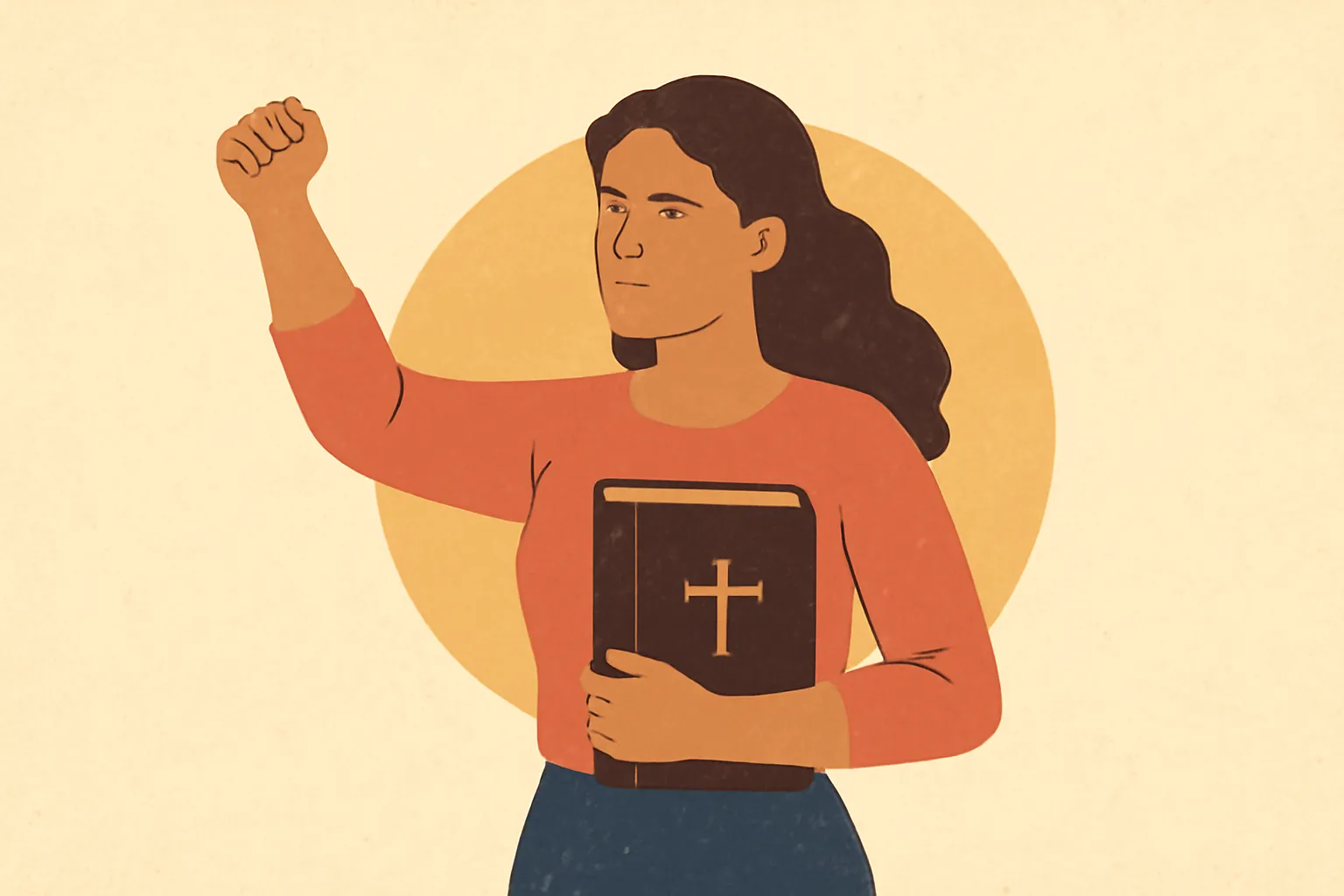
Introduction: Why standing up for yourself matters in a biblical worldview
In a world that often glorifies passivity or misplaces aggression, the call to stand up for yourself is not a mandate to lash out, but a charge to enact wisdom, courage, and discernment in the light of faith. The Bible speaks into the tension between endurance and assertiveness, reminding believers that courage anchored in God, healthy boundaries, and a steadfast faith can coexist. This article gathers a range of biblical voices—paraphrased concepts and familiar verses—to explore how we can advocate for our own dignity and safety without compromising the values of love, humility, and justice.
We will look at three interwoven themes: Courage to speak up when injustice or harm persists, Boundaries that protect the vulnerable and the healthy functioning of relationships, and Faith as the foundation that sustains both courage and boundaries. Below you will find variations of biblical language about standing up for yourself—each section offers practical reflections, short verse references, and ideas for applying these truths in everyday life.
Courage: Scriptures that embolden you to speak up
Courage in the biblical sense is not the absence of fear; it is the intentional choice to act rightly in the presence of fear, with God as the source of strength. When you need to speak up for yourself or others, these verses point toward a posture of boldness that is seasoned by wisdom, humility, and love.
Joshua 1:9 (paraphrase): “Be strong and courageous; don’t be afraid or dismayed, because the Lord your God is with you wherever you go.” Use this as a reminder that standing up for yourself is supported by a divinely present ally.
2 Timothy 1:7: “God has not given us a spirit of fear, but of power, and of love, and of a sound mind.” This verse reframes fear as a religious and moral obstacle that can be overcome with inner strength and wise discernment.
Psalm 27:1: “The Lord is my light and my salvation; whom shall I fear?” Let this verse be a rallying cry that fear loses its grip when you trust in God’s guiding presence.
Isaiah 41:10: “Fear not, for I am with you; do not be dismayed, for I am your God.” Courage in action is motivated by the certainty that God is near in moments of challenge.
Romans 8:31 (paraphrase): “If God is for us, who can be against us?” This line invites confidence when you must address wrongdoing, injustice, or manipulation.
Proverbs 31:8-9 (paraphrase): “Open your mouth for those who cannot speak for themselves; plead the cause of the vulnerable with righteous judgment.” This is a call to advocate responsibly, including on your own behalf when your welfare is at stake.
Psalm 4:4 (paraphrase): “Be angry, yet do not sin; ponder what is right, and answer with thoughtful restraint.” Courage includes the discipline of timing and tone.
Ephesians 4:15 (paraphrase): “Speak the truth in love.” Standing up for yourself involves clear, honest communication that seeks mutual understanding rather than domination.
Proverbs 15:1 (paraphrase): “A gentle answer turns away wrath, but a harsh word stirs up anger.” Assertive communication can be firm and compassionate at the same time.
Boundaries: Guarding what matters and respecting yourself and others
Boundaries are a biblical discipline that protect the well-being of individuals and communities alike. They help prevent harm, preserve relationships, and create space for honesty, accountability, and justice. The Bible honors the right to say no when needed and encourages people to pursue peace with wisdom.
Healthy distance and discernment in relationships
Proverbs 25:17 (paraphrase): “Don’t wear out your welcome; give your neighbor space so that hospitality does not become harm.” Boundaries protect both your own health and the integrity of others.
Matthew 18:15-17 (summary): When there is a conflict, first address it privately, then pursue help if needed. This process honors both accountability and dignity, and it can be used when you need to address boundary violations directly.
Romans 12:18 (paraphrase): “If possible, as far as it depends on you, live peaceably with everyone.” Boundaries exist within a framework of seeking peace and mutual respect.
Colossians 3:15 (paraphrase): Let the peace of Christ rule in your heart; in setting boundaries, prioritize harmony without sacrificing your safety or integrity.
Practical guidelines for healthy boundary-setting
Identify your non-negotiables: safety, dignity, and respect are foundational. State your needs clearly and calmly.
Communicate with intention: choose timing, tone, and place that minimize defensiveness and maximize clarity.
Use appropriate consequences: when boundaries are crossed, respond with measured consequences rather than reactive punishment.
Seek wise counsel: involve trusted mentors, pastors, or friends to help you discern the right boundaries in difficult situations.
Guard against manipulation: boundaries protect you from coercion, guilt trips, or exploitation while inviting accountability and growth.
Faith: How trust in God informs courage and boundaries
Faith is the undercurrent that sustains both courage and boundaries. When you anchor your actions in trust, you gain resilience to endure conflict, hostility, or disappointment without losing your moral center. The Bible invites believers to weave faith into every aspect of standing up for themselves—recognizing God as the true audience, judge, and helper.
Trusting God while asserting yourself
Psalm 37:5 (paraphrase): “Commit your way to the Lord; trust also in Him, and He shall bring it to pass.” Your upright stand may require patience, and trust helps you persist with integrity.
Psalm 46:1 (paraphrase): “God is our refuge and strength, a very present help in trouble.” When you face opposition, faith reminds you that you are not alone.
Hebrews 11:1 (paraphrase): “Faith is the assurance of things hoped for, the conviction of things not seen.” The unseen outcomes of standing up for yourself—improved boundaries, justice, or personal growth—are held in trust by God.
Romans 12:2 (paraphrase): Don’t be conformed to this world, but be transformed by the renewing of your mind; discern God’s will in every situation. This is essential when you need to decide how to stand up in a way that honors God.
Micah 6:8 (paraphrase): “What does the Lord require of you? To do justly, and to love mercy, and to walk humbly with your God.” Standing up for yourself is not a license for harshness; it is an invitation to act justly with mercy.
Luke 6:31 (paraphrase): “Do unto others as you would have them do unto you.” This golden rule supports compassion in how you assert boundaries and respond to conflict.
Proverbs 3:5-6 (paraphrase): Trust in the Lord with all your heart; lean not on your own understanding. In all your ways acknowledge Him, and He will direct your paths—especially when you need discernment about when to speak up and how to do it well.
Practical applications: how to live out these truths day by day
The most meaningful theology becomes actionable practice when you convert words into daily routines. Here are concrete ways to apply courage, boundaries, and faith in ordinary life.
Daily habits that cultivate righteous assertiveness
Begin with prayer and reflection: ask God to reveal where you need to stand up for yourself, and to give you courage and grace in your words.
Practice calm, clear communication: write or rehearse what you want to say; aim for clarity, brevity, and kindness.
Assess consequences: think through how your boundaries affect yourself and others; consider restorative outcomes rather than punitive ones.
Seek accountability partners: find allies who will remind you of truth, encourage you to act with integrity, and hold you to your commitments.
Document concerns when necessary: in situations of persistent harm, keeping a log can help you present a factual, non-emotional case and engage appropriate structures (workplace policies, church leadership, or legal avenues) when needed.
Conversation templates for respectful confrontation
Opening statement: “I want to address something that affects my well-being. I value our relationship and I want to resolve this with honesty and respect.”
State the behavior and impact: “When X happens, I feel Y, and it affects Z.” Focus on behavior and outcomes, not character attacks.
Set a boundary or ask for change: “I need you to do A, or I will need to take B steps.” Be specific and time-bound.
Invite collaboration: “How can we work together to prevent this in the future?” This emphasizes mutual responsibility and peaceable resolution.
Common questions about standing up for yourself and faith
In this section, we collect some of the questions readers often ask when navigating the intersection of faith, courage, and boundaries. The aim is to offer practical wisdom anchored in Scripture, with a compassionate understanding of real-life complexity.
Q: How do I stand up for myself without becoming harsh or judgmental?
A: The answer lies in aligning your action with truth in love (Ephesians 4:15). Assertiveness can be firm and gentle at the same time. Prepare your case with facts, listen actively, and aim for reconciliation whenever possible. When anger arises, pause to breathe and reframe your approach in light of grace and justice.
Q: When is it right to walk away from a relationship or situation?
A: Boundaries sometimes require safe disengagement. The Bible does not demand perpetual endurance where there is persistent harm. If attempts at healthy dialogue fail, or if staying would violate your safety or core values, stepping back can be a wise, holy decision—preferably with prayers and, if appropriate, counsel from trusted leaders.
Q: How can I discern whether I should speak up or stay silent?
A: Discernment grows through prayer, counsel, and checking motives against a standard of love and justice. Consider whether your words will promote healing, whether the timing is right, and whether speaking up respects both your own dignity and the dignity of others. Scriptures such as Proverbs 16:32 and James 1:19 (slow to anger, quick to listen, slow to speak) are helpful guardrails.
Closing reflections: integrating courage, boundaries, and faith
Standing up for yourself is not a solitary act; it is a theologically grounded discipline that integrates courage, boundaries, and faith. When you draw near to God, you gain the bravery to advocate for your own dignity while honoring the humanity of those around you. The biblical call is not to domination or retaliation, but to truthful, loving action that protects the vulnerable, upholds justice, and reflects the character of God.
Further study: a guide to meditating on specific verses
If you want to deepen your understanding, consider reading these verses in a study context, perhaps with a journal to record your reflections:
Joshua 1:9 — Courage as a command and a gift from God.
Proverbs 31:8-9 — Advocacy for the voiceless and the marginalized, applicable to standing up for oneself when necessary.
Psalm 27:1 — Fear transformed by trust in God’s presence.
2 Timothy 1:7 — Power, love, and self-discipline granted by the Spirit.
Ephesians 4:15 — The rhythm of speaking truth in love.
Matthew 18:15-17 — A process for addressing conflict with accountability and mutual dignity.
Throughout life, you may encounter moments where you must advocate for yourself with courage and wisdom. By grounding your actions in faith, honoring boundaries, and embodying courage, you can navigate conflict in a way that is consistent with biblical principles and the maturing call of discipleship.
Introduction: Why the Bible Elevates Being Slow to Anger Across centuries, readers have returned to a simple yet transformative idea: patience and wisdom often go hand in hand with being slow to anger. In a fast-paced world that rewards quick reactions, Scripture invites us to pause, reflect, and respond with restraint. The Bible presents anger…
Introduction: Bible Verses About New Beginnings Everyone faces seasons that feel like a blank page or an unwritten chapter. Whether you are starting over after a failure, making a major life transition, or simply longing for a fresh start, scripture speaks with a tender confidence about the possibility of renewal. In the Bible, the language…
Introduction The practice of bible verse seek is a timeless discipline among people of faith who turn to Scripture for guidance and comfort. In a world full of noise and distraction, many readers discover that a single verse or a few lines can anchor the heart, illuminate a path forward, or quiet the soul in…
Bible Verse God Will Provide: Trusting God’s Provision in Scripture Throughout the Bible, the theme of divine provision runs like a thread connecting creation, covenant, and personal faith. When people face scarcity, danger, or long seasons of waiting, they turn to verses that speak of God’s reliable supply and His steadfast faithfulness. This article surveys…
Introduction: A Core Biblical Ethic About Caring for the Vulnerable Across the biblical narrative, a persistent refrain runs through both old commitments and new commitments to the vulnerable in society. The figures of orphans and widows appear repeatedly not as mere social categories, but as signs of fidelity to God and to God’s vision for…
All readers encounter moments of hardship, confusion, and grief. The question “Why do bad things happen?” is not just a philosophical puzzle but a deeply personal search for meaning, comfort, and direction. This article explores bible verses about why bad things happen, the broader biblical perspective on suffering, and the way Scripture points toward hope…