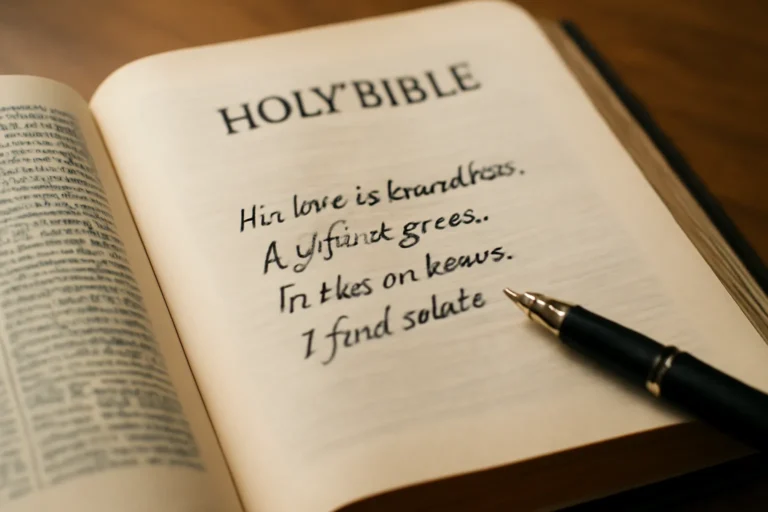
Proverbs has long stood as a cornerstone of biblical wisdom, a collection of short, memorable sayings that speak to everyday life
with clarity and insight. For readers seeking timeless wisdom, powerful verses, and practical guidance,
the Best Bible Proverbs offer a rich treasury of lessons that transcend time and culture. This article explores the best Bible proverbs not merely as isolated lines, but as a coherent body of truth that shapes thinking, ethics, and behavior in daily living.
The book of Proverbs presents wisdom as something cultivated, not merely possessed. It invites readers to pursue wisdom
through experience, reflection, and humility. In this section, we will look at core themes that recur across the best bible proverbs and why they remain relevant today.
The Fear of the Lord: The Beginning of Wisdom
A foundational theme you will encounter in top biblical proverbs is the idea that reverence for God sets the frame
for all other wisdom. Proverbs 1:7 declares, “The fear of the Lord is the beginning of knowledge; fools despise wisdom and instruction.”
This is not a fear that paralyzes, but a posture of trust and awe that opens a life to instruction. Other verses echo this sentiment,
suggesting that wisdom grows as one plots, prays, and reflects before God.
Discernment, Prudence, and Judgment
The best Bible proverbs repeatedly commend discernment—knowing when to speak, when to stay silent, and when to act.
Proverbs emphasizes prudent planning, careful speech, and the avoidance of rash decisions. A well-known example is Proverbs 14:15:
“The simple believes everything, but the prudent gives thought to his steps.” The emphasis here is not cynicism but a cultivated,
thoughtful approach to life’s choices.
Character Over Quick Wins
A hallmark of wise proverbs is the prioritization of character formation over immediate success. The Proverbs invite readers to
pursue integrity, kindness, diligence, and faithfulness, sometimes at the cost of short-term gain. This long-view wisdom helps people
navigate ethics in work, relationships, finances, and community life.
Speech as a Form of Power
Across many proverbs, speech is depicted as a powerful force for both good and harm. Proverbs 18:21 notes that “death and life are in the
power of the tongue.” The best Bible proverbs encourage listening more than boasting, choosing words that heal, correct gently, and build trust.
Powerful Verses: Snapshots of Strength, Hope, and Transformation
When people think of powerful verses from the book of Proverbs, certain lines tend to rise to the top for their
clarity and impact. Here are some carefully chosen excerpts that illustrate the scope of wisdom found in these pages.
Proverbs 3:5-6 — “Trust in the Lord with all your heart, and do not lean on your own understanding. In all your ways acknowledge him, and
he will make straight your paths.” This couplet invites readers to relinquish overconfidence in self and invite divine guidance into everyday decisions.
Proverbs 4:23 — “Keep your heart with all vigilance, for from it flow the springs of life.” Here the emphasis is on guarding inner life and motives.
Proverbs 11:25 — “Whoever brings blessing will be enriched, and one who waters will himself be watered.” A proverb about generosity returning in blessing.
Proverbs 12:25 — “An anxious heart weighs a man down, but a good word makes him glad.” This verse highlights the healing power of encouragement and presence.
Proverbs 13:20 — “Whoever walks with the wise becomes wise, but the companion of fools suffers harm.” A straightforward invitation to choose associations wisely.
Proverbs 16:3 — “Commit your work to the Lord, and your plans will be established.” A reminder that work and devotion can align toward meaningful outcomes.
Proverbs 18:21 — “Death and life are in the power of the tongue, and those who love it will eat its fruits.” The tangible impact of speech on relationships and outcomes.
Proverbs 19:20 — “Listen to advice and accept discipline, and at the end you will be counted among the wise.” Encouragement toward teachability.
To appreciate the force of these verses, it helps to read them within their literary context—paired lines, parallel thoughts,
and proverbs that sharpen each other. The most memorable lines often work as invitations: to trust, to pause, to reflect, and to act
with integrity. They also function as practical prompts for daily life, whether at work, home, or in the broader community.
Practical Guidance for Daily Life: Wisdom in Action
The best Bible proverbs do not merely offer abstract ideals; they provide concrete directions for daily conduct.
Below is a curated set of practical applications drawn from the broader spectrum of Proverbs. These suggestions are framed as practical guidance that readers can apply in personal routines, family life, and workplace interactions.
Wisdom for Relationships
Speak truth with kindness and tact; avoid gossip and harsh words.
Practice patience in conflict; seek reconciliation rather than victory.
Value loyalty and trust in friendships; invest time in people who encourage growth.
Entertainment of Wealth and Work
Approach finances with discipline: budget, save, and avoid debt that undermines security.
Work diligently and with integrity; labor as a form of worship and service to others.
Be generous, recognizing that wealth is a resource to be stewarded for the common good.
Words, Wisdom, and Self-Control
Choose words carefully; measure speech by its potential to build or harm.
Develop self-control as a guardrail against impulsive actions and regretful decisions.
Pause before you speak; listen deeply before giving advice.
Parenting and Guidance for the Next Generation
Teach children to value wisdom by modeling consistent character and patience.
Provide gentle correction coupled with encouragement; discipline with an aim toward growth, not shame.
Instruct with stories and examples to help younger minds connect timeless truths to everyday life.
Decision-Making and Planning
Seek wise counsel and verify plans against moral and ethical considerations.
Make contingency provisions and avoid overconfidence in a single plan.
Pray for clarity and courage when faced with difficult choices.
Proverbial Virtues: The Ethics and Character Shaping Content
Beyond practical tips, the best Bible proverbs cultivate virtues that form the backbone of a flourishing life.
These virtues—humility, diligence, generosity, integrity, and perseverance—are presented as habits, not one-time acts.
In this section, we survey several virtuous themes that emerge with recurring clarity across the Proverbs.
Humility and Teachability
The wise person is often described as someone who remains teachable. Humility opens a person to correction, new insights,
and constructive feedback. The proverbs reinforce the idea that a posture of teachability leads to growth and protection
from foolish persistence in error.
Integrity in Speech and Action
Integrity is repeatedly highlighted as a cornerstone of trust. The consistent alignment of words and deeds strengthens relationships
and reduces the social cost of deception. When one’s conduct matches one’s stated values, communities flourish and individuals
experience greater peace of mind.
Proverbs encourages generosity toward the vulnerable and wise stewardship of resources. Generosity is linked not only to benevolence
but also to personal well-being and communal resilience. The best proverbs remind readers that wealth is a tool—meant to be used
for the common good, not merely to accumulate status.
Diligence, Patience, and Perseverance
The moral imagination of Proverbs celebrates steady, honest effort. Diligence is presented as a path toward dependable outcomes,
while patience prevents rash, reckless choices. Perseverance in the face of challenges is portrayed as a form of wisdom in action.
Proverbs Across Themes: Wealth, Work, Relationships, Parenting, and Guidance
The breadth of the best Bible proverbs covers many aspects of life. Below are thematic clusters that help readers
locate the kinds of verses that fit particular life situations. Each cluster presents a short selection of verses accompanied by
a practical takeaway.
Wealth and Generosity: Balance prudent stewardship with generous giving; avoid covetousness; use wealth to bless others.
Practical takeaway: create a simple plan for saving, giving, and sharing with those in need.
Work Ethic and Purpose: Seek work that aligns with your gifts; embrace reliability and accountability; avoid sloth and shortcuts.
Practical takeaway: set small, concrete goals and track progress with integrity.
Friendship and Community: Choose companions who reinforce good choices; cultivate trustworthy, life-affirming relationships.
Practical takeaway: audit relationships to identify those who encourage growth and those who hinder it.
Family and Parenting: Model wisdom for younger generations; practice patient correction; foster a home marked by mercy and discipline.
Practical takeaway: establish routines that reinforce shared values and teachable moments.
Words and Communication: Guard the tongue; use words to heal, instruct, and encourage; avoid divisive speech.
Practical takeaway: implement a practice of pausing before speaking, especially in tense moments.
Decision Making and Planning: Seek counsel, examine motives, and align plans with enduring truths.
Practical takeaway: develop a decision framework that includes time for reflection and input from trusted mentors.
How to Read and Apply the Best Bible Proverbs: Methods and Habits
Engaging with the best Bible proverbs is most fruitful when approached with intention and regularity.
The following methods help readers draw deeper meaning and integrate wisdom into daily life.
Devotional Reading and Reflective Meditation
Set aside time to read a short selection of proverbs and then reflect on how they apply to the day’s circumstances.
Consider journaling a brief insight: What is this proverb teaching me about my motives, my speech, or my plans?
Regular, focused reading helps the wisdom become embodied rather than theoretical.
Cross-Referencing for Context
Proverbs is part of a broader scriptural tapestry. Compare a proverb with other biblical passages that touch on
wisdom, justice, and mercy. This cross-referencing enriches understanding and helps readers see how different books
illuminate similar truths from complementary angles.
Memory, Repetition, and Application
Memorizing a handful of key proverbs creates a ready reservoir for decision-making in real life. Repetition reinforces
associations between a proverb and the situations in which it can help. The next time a conflict or temptation arises,
the mental cue from a remembered proverb can guide actions toward wisdom.
Group Study and Accountability
Studying proverbs in a community can deepen understanding. In group settings, members can share diverse insights and hold
one another accountable to practice wise habits. A collaborative approach also makes it easier to translate knowledge
into shared culture and practice.
Applying Proverbial Wisdom to Modern Life
Translating ancient wisdom into contemporary routines requires care. The core principles—honesty, prudence, kindness,
and diligence—translate across cultures and eras. When applying a proverb to modern dilemmas, it helps to identify:
Practical steps that honor the intent of the proverb
Frequently Quoted Proverbs and Why They Resonate
Some verses are widely quoted because they capture universal concerns with clarity and punch. Here are a few that readers
often cite in conversations about wisdom, character, and daily living. These selections illustrate why the best Bible proverbs
continue to resonate.
Proverbs 3:5-6 — The invitation to trust and acknowledge God in all aspects of life remains a guidepost for many readers navigating uncertainty.
Proverbs 4:23 — The call to guard the heart speaks to emotional health, personal safety, and moral posture in a noisy world.
Proverbs 15:1 — A gentle answer turns away wrath; a soft word can diffuse tension and restore peace in conversations.
Proverbs 17:22 — A cheerful heart is good medicine; a broken spirit dries up the bones. This highlights the healing power of attitude.
Proverbs 18:13 — Answering before listening leads to folly; the proverb champions listening before forming conclusions.
The Living Wisdom of the Best Bible Proverbs
Proverbs is not merely a collection of ancient sayings; it is a living guide that speaks to character formation, decision-making,
and communal flourishing. The best verses illuminate truth in a way that makes people think, care, and act with greater integrity.
They invite readers to measure their lives against timeless standards and to pursue wisdom as a lifelong discipline.
From Knowledge to Wisdom
In biblical terms, knowledge is what you know; wisdom is how you use what you know. The best proverbs encourage a transition
from information to transformation. When people internalize these sayings, they are more likely to respond to life with
prudence, compassion, and resilience.
From Individual Gain to Community Good
A distinctive feature of biblical wisdom is its social dimension. The proverbs teach that wise living benefits not just the
individual but families, communities, and the vulnerable. This orientation toward the common good helps readers understand
that personal decisions carry public implications.
From Short Lines to Enduring Lifestyle
While each proverb is brief, the cumulative effect of studying and applying them can shape a lifestyle. The best proverbs
encourage repetition, reflection, and habit formation. When practiced consistently, these principles become character traits
that endure beyond seasons of difficulty or prosperity.
Conclusion: Embracing the Timeless Wisdom of the Best Bible Proverbs
The journey through Best Bible Proverbs—with their invitations to trust, to think, to guard, and to give—
offers more than intellectual pleasure. It presents a practical framework for living with intention and integrity. Whether you
are seeking timeless wisdom for everyday decisions, powerful verses to anchor your faith during storms,
or practical guidance that translates into healthier relationships and more meaningful work, the Proverbs provide
a durable resource. By engaging with these sayings through reflection, discussion, and action, readers can cultivate a life
marked by wisdom that endures across generations.
If you are new to the Bible or returning after a time away, a steady approach—reading a few verses, noting key themes, and
exploring how they apply to your current circumstances—can yield rich dividends. The best Bible proverbs reward patience,
humility, and diligence. They invite readers to become more thoughtful in speech, more generous in action, and more resilient in
character. In this sense, the Proverbs remain a living tradition, continually offering timeless wisdom, powerful verses,
and practical guidance for every generation.
Bible Poem: Inspiring Bible Verses for Reflection In the realm of sacred literature, Bible poems provide a powerful gateway to contemplation, prayer, and ethical insight. They are not merely decorative lines or pleasant rhymes; they are streams of theology, visions of human longing, and soundtracks for worship that Christians and students of literature alike have…
All readers encounter moments of hardship, confusion, and grief. The question “Why do bad things happen?” is not just a philosophical puzzle but a deeply personal search for meaning, comfort, and direction. This article explores bible verses about why bad things happen, the broader biblical perspective on suffering, and the way Scripture points toward hope…
Bible Verse on God Being With Us: Finding Comfort in His Presence Throughout the Bible, the refrain of God’s companionship with His people appears in many forms. Whether spoken through prophets, sung in psalms, or spoken by Jesus in the gospel narratives, the idea that God is with us offers comfort, courage, and a framework…
Across the centuries, readers of the Bible have observed a consistent thread: words carry power. The biblical witnesses repeatedly note that speech can build or destroy, heal or wound, reveal the heart or mask it. This article explores the many facets of the power of words in Scripture, tracing key verses, variations in wording across…
Understanding the Verse: Revelation 13:18 and the Number of the Beast The phrase “the number of the beast” sits at a pivotal junction in the biblical book of Revelation. Feminized by popular culture as a symbol of ominous prophecy, the verse sits within a tense discourse about power, allegiance, and the struggle between cosmic forces…
Introduction: Why the Bible Elevates Being Slow to Anger Across centuries, readers have returned to a simple yet transformative idea: patience and wisdom often go hand in hand with being slow to anger. In a fast-paced world that rewards quick reactions, Scripture invites us to pause, reflect, and respond with restraint. The Bible presents anger…