Understanding Baptist Church Devotion: A Foundation of Daily Prayers and Bible Study
Baptist church devotion is more than a weekly habit; it is a lived discipline that shapes a believer’s heart, mind, and daily actions. Grounded in the historic principles of the Baptist tradition—namely the authority of Scripture, the priesthood of all believers, and the autonomy of the local church—devotion in Baptist circles emphasizes personal faith expressed in regular daily prayer and thoughtful Bible study. This article explores the facets of Baptist devotional life, offering practical guidance, historical context, and actionable steps to cultivate a consistent practice that nourishes individuals, families, and congregations.
What Makes Baptist Devotion Distinctive?
In the Baptist tradition, devotion is not a set of rituals detached from life; it is meant to integrate worship, study, service, and witness. Some distinctive emphases include:
Scripture-centric devotion: The Bible is primary in shaping beliefs, prayers, and actions.
Believer’s baptism and spiritual growth: Devotion strengthens the personal faith that leads to baptism after profession of faith, and fidelity in discipleship afterward.
Congregational accountability: Local churches encourage accountability, pastoral guidance, and shared spiritual discipline within a framework of congregational governance.
Prayer as a communal practice: While personal, devotion often includes corporate prayer, intercession, and mission-minded praying with others.
pastoral leadership and lay involvement: Devotional life is supported by both pastors and lay leaders who model and teach spiritual disciplines.
As you read about Baptist devotion, you will encounter a spectrum of practices—from quiet personal mornings to family devotion times, to church-wide prayer meetings. Across this spectrum, the aim remains constant: to know God more deeply through the Word and to live out that knowledge in obedience and service.
Daily Prayers in the Baptist Tradition
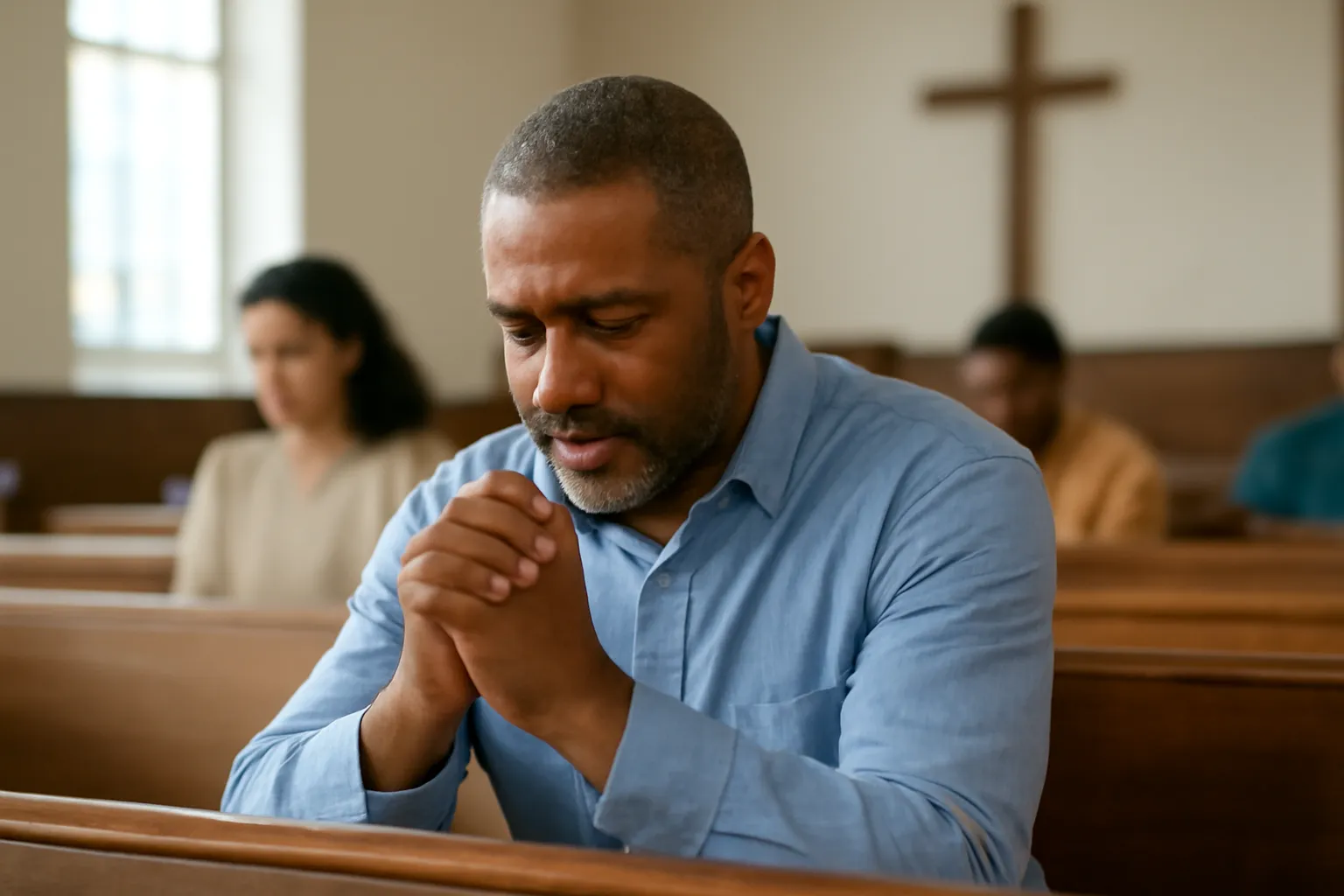
Daily prayer forms a core pillar of the Baptist devotional life. The emphasis is on accessible, heartfelt communication with God, shaped by a robust understanding of who God is, what God has promised, and how believers are called to respond. Below are key aspects and practical approaches.
Principles of Personal Prayer
Honesty before God: Prayer in Baptist devotion honors a genuine conversation with God—acknowledging needs, confessing shortcomings, and expressing gratitude.
Reliance on Scripture: Prayers are seasoned with the language of Scripture, echoing biblical praise, confession, and petitions.
Consistency over intensity: A steady, disciplined routine often matters more than sporadic bursts of fervor.
Intercession and mission: Prayers for family, church leaders, neighbors, and the global church are routinely included.
Journaling: Keeping a prayer journal helps track requests, answers, and spiritual growth.
Imprecatory and intercessory prayers: When appropriate, prayers may include intercession for leaders, communities, and missions, reflecting a robust concern for neighbors and nations.
Sung or spoken prayers: Prayer can be spoken aloud within personal practice or shared in family and small-group settings.
Prayer lists: A practical tool to remember personal needs, church matters, and missionaries.
Daily Prayer Routines: Practical Guides
Time and place: Set a consistent time and place where interruptions are minimized.
Scriptural anchoring: Begin with a short Bible reading (a Psalm, a Proverb, or a Gospel verse) to orient prayer toward God’s truth.
Prayer journaling: Record requests, insights, and answered prayers to observe God’s faithfulness over time.
Balance: Include adoration, confession, thanksgiving, and supplication in a balanced way.
Accountability: If possible, share a brief form of accountability with a trusted friend or mentor, especially for beginners.
Bible Study as a Cornerstone
For Baptists, Bible study is not optional but essential. The belief in sola scriptura (Scripture alone as primary authority) shapes devotion, preaching, and discipleship. In Baptist life, Bible study is undertaken with humility, curiosity, and a desire to apply God’s truth in everyday living.
Inductive Bible Study: A Practical Method
The inductive method is widely taught and practiced. It emphasizes careful observation, careful interpretation, and clear application. A typical cycle might include:
Observation: Note what the text says, who is involved, what actions occur, and what commands or promises exist.
Interpretation: Seek to understand the meaning in context—historical, literary, and theological. Compare other passages to clarify ambiguous points.
Application: Translate insights into modern life—how this truth informs worship, ethics, relationships, and mission.
Study Formats and Tools
Verse-by-verse studies: Systematically work through a book of the Bible, gaining a structured understanding of its flow.
Topical studies: Explore a theme (grace, faith, holiness, love) across multiple books of Scripture.
Book studies: Read a complete New Testament or Old Testament book with comments and questions to guide reflection.
Cross-referencing and concordances: Use tools to locate related passages that illuminate a given topic.
What Baptist Study Emphasizes
Christ-centered interpretation: The person and work of Jesus Christ anchor the interpretation of Scripture.
Redemptive history: Understanding how God’s plan unfolds across the Bible helps believers see continuity in God’s saving work.
Practical application: Biblical understanding should lead to obedience, praise, and faithful living.
Authority of the Bible: The reliability of Scripture is affirmed through historical theology, manuscript evidence, and trusted translations.
Structure of Devotions in a Local Baptist Church
Baptist churches often encourage a rhythm of devotion that includes personal disciplines and church-wide activities. While local churches vary, certain patterns recur and provide practical frameworks for participants at every level of maturity.
Sunday worship as culmination of weekly devotion, where the Word is preached and the gospel is proclaimed in Scripture, song, and prayer.
Sunday school or Bible study groups to foster communal learning and accountability in a smaller setting.
Weekly prayer meetings or midweek prayer gatherings for intercession, mission, and pastoral support.
Discipleship programs that pair mature believers with newer followers to cultivate deeper devotion and practical faith.
Family devotion times encouraged in church life, where households practice prayer and Scripture together at home.
Common Elements in Baptist Devotional Life
Scripture reading as the backbone of daily practice.
Corporate prayer for the church’s needs, local community, and global missions.
Scripture-saturated preaching that invites personal response and transformation.
Testimony sharing during gatherings to encourage others and celebrate answered prayers.
Family and Community Devotion
In Baptist life, family devotion and community support are integral. A robust Baptist devotional life extends beyond the individual and into homes and churches. Family discipleship, in particular, is seen as foundational for raising children who know and follow Christ, while church communities provide structure, mentorship, and shared mission.
Family Devotion Practices
Regular times for reading Scripture together, praying, and discussing God’s truth in everyday life.
Memory verses chosen for families to memorize together, reinforcing biblical language and values across generations.
Age-appropriate materials for children and youths that align with the family’s theological emphasis and church’s teaching.
Modeling prayer: Parents and guardians model honest, humble conversation with God.
Youth and Children’s Devotion
Curricula or devotional books designed for youth that connect Scripture to current life experiences.
Small-group discussions led by trained volunteers to foster peer support and accountability.
Junior confirmation and baptism prep: Teaching about faith, prayer, and Scripture helps children understand the Christian life.
House Churches and Community Groups
Some Baptist communities practice smaller worship and Bible-study gatherings in homes or neighborhood centers. These home-based devotionals emphasize hospitality, mutual care, and practical outreach, complementing the larger church calendar.
Resources and Tools for Daily Devotion
A rich Baptist devotional life benefits from reliable resources that deepen understanding and sustain motivation. Below is a non-exhaustive list of tools commonly used in Baptist settings to support daily prayers and Bible study.
Recommended Bible Translations
ESV (English Standard Version): A readable, essentially literal translation favored in many churches for study and preaching.
NASB (New American Standard Bible): Known for its precise rendering and suitability for in-depth study.
NIV (New International Version): Clear, accessible language that is good for devotional reading and family study.
CSB (Christian Standard Bible): Balances readability with rigorous scholarship.
Commentaries and Reference Tools
Commentaries that emphasize historical context and theological clarity.
Concordances and Bible dictionaries to help locate terms and understand cultural background.
Study guides and devotionals that align with Baptist doctrine and practice.
Devotional Publications and Digital Resources
Daily devotional guides that pair short Scripture readings with guided prayers and reflection questions.
Church websites and apps offering daily verses, prayer prompts, and scripture notes for members.
Pastoral sermons and sermon notes that can be used for personal reflection or family discussion.
Practical Guide for Beginners: Building a Consistent Practice
If you are new to Baptist devotion or returning to routine, a practical, gentle plan can help you establish a sustainable rhythm without discouragement. The following steps offer a realistic path toward a durable habit of daily prayer and Bible study.
Starting Small and Steady
Begin with 10–15 minutes per day and gradually extend as you grow comfortable.
Choose a simple format for your daily routine—perhaps a short Scripture reading, a brief prayer, and one reflection question.
Keep a lightweight journal to record insights and prayer requests.
Create a Personal Devotional Plan
Set a fixed time each day (morning or evening) to minimize cognitive friction.
Plan your Scripture reading with a one- to three-month rotation (for example, a Gospel, a Psalm collection, and a selection from Epistles).
Incorporate memory work, such as memorizing a verse per week or month.
Making It Meaningful: Rules and Boundaries
Guard against legalism: Devotion should be life-giving, not a box-ticking exercise.
Be flexible: If a plan doesn’t fit your week, adjust rather than abandon it entirely.
Invite accountability: Share your goals with a friend or mentor who can encourage you and pray with you.
Challenges and Stewardship of Time in Baptist Devotion
No sustained spiritual discipline is without obstacles. Common challenges include busyness, confusion about where to begin, discouragement from slow progress, and competing demands of family, work, and ministry. A robust approach to these challenges preserves the vitality of Baptist devotion and helps the practice endure over years.
Common Obstacles and Solutions
Time constraints: Short, repeatable routines are better than long, interrupted sessions. Create micro-rituals—five minutes of Scripture and prayer at a time.
Theological overwhelm: Start with a few verses and a simple prayer; you can grow into more complex study over time.
Distractions: Establish a quiet space, switch off notifications, and use guided devotionals to stay focused.
Fluctuating motivation: Keep a log of answered prayers and progress to reinforce encouragement and gratitude.
Maintaining Balance Between Personal and Corporate Devotion
Personal devotion anchors your faith and equips you for corporate service.
Church-related devotion connects you to the body of Christ, models spiritual disciplines, and fosters accountability.
Mission-minded devotion: Include prayers for missions and outreach to align spiritual practices with the Great Commission.
Conclusion: Sustaining a Lifelong Baptist Devotion
A healthy Baptist devotion—encompassing daily prayers and Bible study—is not a one-time achievement but a lifelong journey. It grows out of a love for God that is habitual, joyful, and outward-facing. The heritage of Baptist devotion emphasizes not only personal piety but also communal faithfulness: a church that prays together, studies together, and serves together. When individuals commit to a rhythm of devotion that honors the authority of Scripture, embraces the priesthood of all believers, and participates in the life of a local congregation, the result is a vibrant, enduring faith that shapes families, churches, and communities for generations.
In sum, whether you refer to it as Baptist devotional life, daily devotion in a Baptist church, or simply Baptist daily devotions, the aim remains the same: to know God more fully through Scripture, to speak honestly with God in prayer, and to translate that knowledge into lives marked by love, truth, and service. By embracing both the personal and the communal dimensions of devotion, believers experience a holistic spiritual formation that reflects the heart of the Baptist tradition: a faith defined by Scripture, lived out in community, and proclaimed to a watching world.