Bible Verses for Homeless People: Comfort and Hope
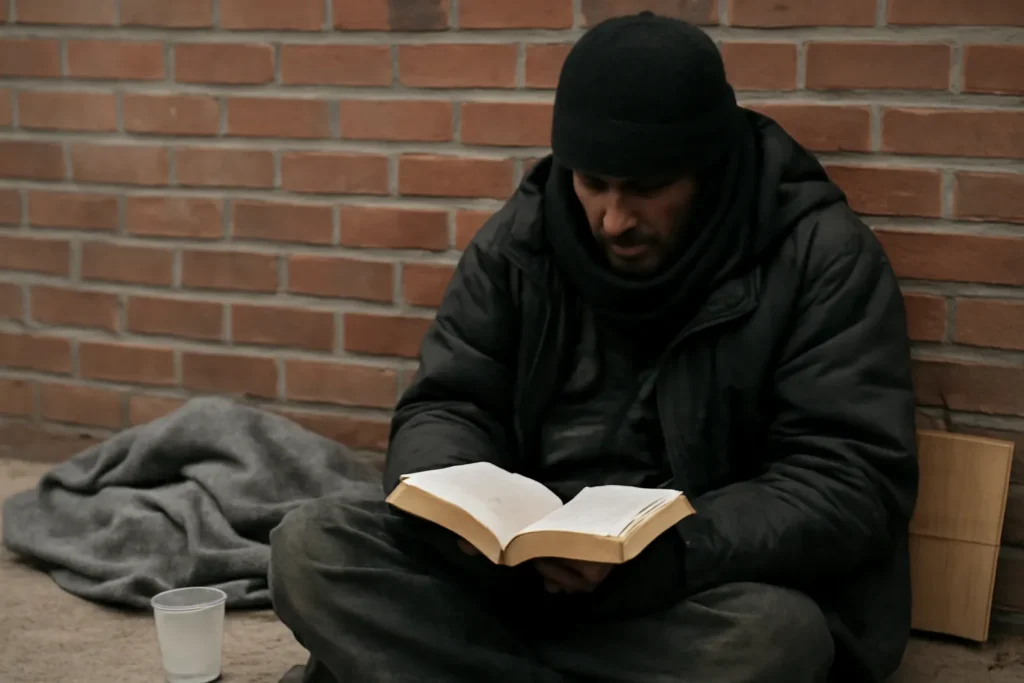
In times of hardship, the Bible speaks with a heart that reaches out to those who are without a home, without steady access to resources, or facing days that feel unsettled. This article gathers verses of comfort, hope, and assurance designed to speak to homeless individuals, volunteers, counselors, and faith communities who want to offer faith-informed encouragement. It also provides practical suggestions for using scripture as a source of daily strength, memory, and community connection. The aim is not to romanticize struggle, but to honor the dignity of every person by pointing toward a God who sees, cares, and acts on behalf of the vulnerable. Throughout, key ideas are highlighted with bold emphasis to help readers focus on central truths: that God cares about the marginalized, that comfort is available in God’s presence, and that hope can anchor the soul even in the hardest days.
Understanding the Bible’s Voice for the Homeless
Scripture often speaks to those who are on the margins, reminding us that people without shelter are not invisible to God. In many passages, the Bible anchors provision, refuge, and belonging within a larger picture of divine care and communal responsibility. For those who are exploring faith or seeking spiritual encouragement, these verses can provide footing for prayer, reflection, and action. The following themes recur across the biblical narrative and can be especially meaningful for someone facing homelessness:
Compassion and care for the vulnerable: The Bible repeatedly calls communities to show mercy to people in need, including the homeless, the hungry, and the stranger.
God as shelter and refuge: Scripture often presents God as a safe place, a fortress, and a source of security when physical shelter is scarce.
Hope beyond present circumstances: Even when present conditions are harsh, the biblical story points toward a future that holds dignity, restoration, and peace.
Identity and belonging: Being part of a faith community often provides a sense of belonging and mutual care that can help heal feelings of isolation.
As you read, you may notice that the verses aren’t just about feeling better in the moment; they invite us to imagine life with God’s presence as a steady, ongoing reality. This combination of comfort and call—to trust God and to participate in acts of mercy—creates a pathway toward renewed hope and practical help.
God’s Presence in the Wilderness: Verses About Finding Shelter in God’s Care
When shelter is scarce and uncertainty feels overwhelming, certain verses offer a sense of security and companionship from God. They remind readers that being in distress does not mean being abandoned. Here are some biblical touchpoints, each followed by a brief reflection to help connect the verse to daily life:
Psalm 23:4 — “Yea, though I walk through the valley of the shadow of death, I will fear no evil: for thou art with me; thy rod and thy staff they comfort me.” Reflection: Even in the darkest moments, God’s presence brings courage and comfort, not because the danger disappears, but because you are not alone.
Psalm 46:1 — “God is our refuge and strength, a very present help in trouble.” Reflection: In times of scarcity or hardship, God can be a tangible source of refuge and strength.
Psalm 91:1-2 — “He that dwelleth in the secret place of the most High shall abide under the shadow of the Almighty. I will say of the LORD, He is my refuge and my fortress: my God; in him will I trust.” Reflection: The presence of God can feel like a shadow of protection that highlights trust and security.
Isaiah 41:10 — “Fear thou not; for I am with thee: be not dismayed; for I am thy God: I will strengthen thee; yea, I will help thee.” Reflection: God’s promise to strengthen and help invites steadiness amid uncertainty.
Matthew 25:35-40 (summary in KJV language) — Jesus identifies care for the hungry, thirsty, stranger, and vulnerable as caring for Him: “For I was hungry, and ye gave me meat; I was thirsty, and ye gave me drink…” Reflection: Acts of mercy toward those who are homeless or without basics are pathways to meeting the divine in the ordinary moments of kindness.
These verses point toward a spiritual reality in which God’s presence is not distant but near—an intimate companionship that helps sustain the heart when practical resources are limited. They also invite readers to respond with acts of mercy and community support, thereby embodying the compassion that Scripture commends.
Comfort and Hope in Times of Need
When the days feel long and the night offers little rest, certain passages offer deep comfort and sustained hope. They acknowledge pain while pointing toward God’s mercies that endure. Consider these verses and the ways they can be integrated into daily life:
Psalm 34:18 — “The LORD is nigh unto them that are of a broken heart, and saveth such as be of a contrite spirit.” Reflection: God draws near to what feels broken and offers healing mercies for the inner life.
Lamentations 3:22-23 — “It is of the LORD’s mercies that we are not consumed, because his compassions fail not. They are new every morning: great is thy faithfulness.” Reflection: Each day begins with renewed mercies, inviting a fresh posture of trust.
Psalm 147:3 — “He healeth the broken in heart, and bindeth up their wounds.” Reflection: Emotional and relational wounds can be attended to by God’s tender care, even amid external hardship.
Romans 8:38-39 — “For I am persuaded, that neither death, nor life, nor angels, nor principalities, nor powers, nor things present, nor things to come… shall be able to separate us from the love of God.” Reflection: Nothing external can sever the fundamental truth of being loved and known by God.
1 Peter 5:7 — “Casting all your care upon him; for he careth for you.” Reflection: It can be a daily practice to unload worries through prayer, remembering that God cares about your burdens.
Jeremiah 29:11 — “For I know the thoughts that I think toward you, saith the LORD, thoughts of peace, and not of evil, to give you an expected end.” Reflection: Even in unstable housing or uncertain finances, there is a hopeful sense of divine purpose and care.
For someone living without reliable shelter, these verses can be a source of inner steadiness. They don’t erase difficulty, but they do offer a framework for trust and hope that persists even when the environment is challenging. The practice of returning to these verses in moments of stress can help the heart to breathe and to remember that you are not alone.
Promises of Provision and Care
Scripture often addresses God’s generous provision and the call to place trust in Him for daily needs. Although physical resources can be scarce, the biblical witness emphasizes that God’s care extends beyond temporary lack toward a lasting security rooted in relationship with Him and in the community that shares with one another. Here are verses and reflections focused on provision and care:
Philippians 4:19 — “But my God shall supply all your need according to his riches in glory by Christ Jesus.” Reflection: This promise invites a perspective that God can provide in ways that meet the heart’s needs as well as the body’s needs.
Matthew 6:25-34 (summarized in KJV language) — Jesus teaches not to be anxious about daily needs and to seek first the kingdom of God; resources follow in due time. Reflection: A mindset oriented toward trust reduces fear and fosters discernment in practical arrangements for daily life.
Luke 12:22-31 — Jesus encourages attention to basic needs without being consumed by worry, highlighting the Father’s care for sparrows and for those who seek His rule. Reflection: Practical care, community support, and a focus on what truly matters can coexist with faith in provision.
Psalm 37:25 — “I have been young, and now am old; yet have I not seen the righteous forsaken, nor his seed begging bread.” Reflection: Generational witness in Scripture affirms that trust in God tends to yield steady kindness and shelter over time.
Proverbs 3:5-6 — “Trust in the LORD with all thine heart; and lean not unto thine own understanding. In all thy ways acknowledge him, and he shall direct thy paths.” Reflection: Guidance and steady steps toward practical solutions can come through faith-filled discernment in daily decisions.
These verses together emphasize that provision is not just a paycheck or a physical shelter, but a broader sense of security that comes from trusting God, receiving community support, and engaging in wise steps toward stability. They encourage a posture of openness to divine timing while remaining open to practical help from others in the community.
Practical Ways to Use Scripture for Daily Strength
Reading, memorizing, and meditating on scripture can be a training ground for resilience, hope, and compassion. Here are practical ideas for using these verses in everyday life, especially in the context of homelessness or housing instability:
Daily devotions: Start with a short verse and a prayer, focusing on one theme each day (comfort, provision, courage, community). Even 5-10 minutes can set a hopeful tone for the day.
Memory versus for the street: Choose one or two verses to memorize and recite when fear or loneliness returns. Repetition can build an inner reservoir of truth to draw on in moments of stress.
Journaling with Scripture: Write about how a verse speaks to your current situation, what it invites you to trust, and what actions it motivates you to take (even small steps toward safety and dignity).
Prayer prompts: Use verses as prompts for conversation with God. For example, pray, “Lord, I feel broken today, but You are near to the brokenhearted; help me sense Your nearness now.”
Service and community connections: Share a verse that has helped you with someone who can offer practical support, such as a shelter volunteer, a church outreach minister, or a local aid worker. Scripture can be a bridge for conversation and mutual care.
Hope in action: Let verses about mercy translate into concrete actions—receiving help with dignity, offering a listening ear to others, or contributing to a community meal or shelter program when possible.
In addition to personal practice, consider how a faith community can be a source of stability and belonging. Shared verses, singing, prayer, and mutual aid can transform a temporary hardship into a story of resilience and care. The goal is not to erase pain but to accompany one another with truth that liberates, heals, and invites growth.
Variations on Key Verses for Different Contexts
Different readers connect with Scripture in different ways. To broaden semantic breadth while staying grounded in sacred text (especially when using paraphrased or modern-language renditions), here are varied renderings and paraphrases of core verses. They preserve the original meaning but adapt tone and wording to resonate with diverse readers, including those experiencing homelessness. Each variation is followed by a brief note on its intended emphasis:
Psalm 23:4 variation: Even if I walk through the darkest valley, I won’t be afraid, because you are with me; your presence brings me comfort and strength.
Psalm 46:1 variation: God is our safe place and our strength. He shows up right when we’re in trouble.
Philippians 4:19 variation: God will meet all your needs in ways that fit His riches and goodness.
Contemporary-language versions for youth and outreach contexts
Psalm 91:1-2 variation: If you stay in God’s presence, you’ll be under God’s protection. He’s your shelter and your strength, and you can trust Him.
Matthew 25:35-40 variation: When you care for someone who’s hungry, thirsty, or without a home, you’re really caring for Jesus Himself—because he cares about each person in need.
Lamentations 3:22-23 variation: Each morning brings new mercy and a fresh start because of God’s steadfast love and faithfulness.
Paraphrase-focused reflections for group discussions
Isaiah 41:10 paraphrase: You don’t have to carry fear alone; I am with you, I will help you, I will give you strength for today.
Psalm 34:18 paraphrase: God comes close to those whose hearts are breaking and offers healing and renewal.
Romans 8:38-39 paraphrase: Nothing in life or death can keep you from God’s unstoppable love—your value and belovedness remains in Him.
These variations are not intended to replace the biblical text but to broaden accessibility and resonance for people with different backgrounds, literacy levels, or spiritual experiences. When using paraphrase variations in a group setting or outreach context, it can help to invite participants to name what the verse means to them and how it speaks to their present circumstances. The core message remains the same: God’s care endures, and humans are invited to respond with mercy, courage, and hope.
The experience of homelessness is real, and the challenges are layered—physical needs, emotional strains, social isolation, and questions about belonging. Scripture speaks into these realities with a message that is both tender and transformative. It acknowledges the pain while pointing toward a steadying truth: God sees you, you are not forgotten, and your life has value and purpose in God’s economy of mercy. Believers and faith communities can offer a stable pair of hands—one resting in God’s promise and one ready to assist through practical acts of service.
Here are some practical takeaways for continuing the path of comfort and hope in everyday life:
Engage with a small rhythm of scripture, prayer, and reflection, even if it lasts only a few minutes each day.
Seek out local shelters, charity organizations, and faith-based outreach that align with the values of dignity, mercy, and service. Scripture invites people toward compassionate action that improves actual circumstances while stewarding spiritual life.
When sharing verses with others, honor their experiences and meet them where they are. Offer verses that uplift and invite conversation rather than presuming beliefs.
Practice memory verses as a form of emotional regulation during stressful moments. Inhale, recall the promise, and proceed with practical steps toward safety, food, and rest.
Remember the broader biblical story of community: the call to care for one another is not only about personal devotion but about building a society where every person can experience dignity, safety, and a sense of belonging.
As you move forward, you can keep a simple, durable approach: stay rooted in the truth of God’s steadfast love, let compassionate deeds flow from that truth, and invite others to participate in acts of mercy that reflect a shared humanity. The verses above are not magic solutions; they are words that point toward a reality—God’s unfailing care and the possibility of a life of hope, even in the most challenging seasons. In community, with Scripture as a guide, the journey from hardship toward renewed dignity can begin again each day.










Leave a Reply